Leavenworth County adopts 2012 building and residential codes after narrow 3–2 vote
Loading...
Summary
The Leavenworth County Board of Commissioners voted 3–2 to adopt the 2012 International Residential Code and 2012 International Building Code (as modified) for unincorporated areas after staff presentations and a public hearing; board members debated permit scope for ponds, setbacks and special-use permit transfers.
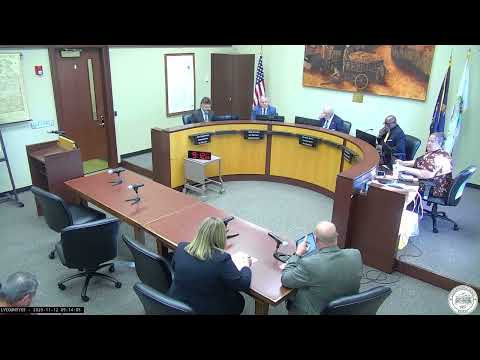
Leavenworth County commissioners voted 3–2 to adopt Resolution 2025-37, approving the 2012 International Residential Code for one- and two-family dwellings and the 2012 International Building Code (as modified) for the county’s unincorporated areas. The decision followed a staff presentation and a short public hearing.
Planning staff director John told the board the revisions result from a multi-session review that compared 2012 and 2006 code editions and incorporated the board’s requested changes. “We’ve made every revision that you’ve asked, and those are included in your respective packets,” he said during the presentation.
Why it matters: The codes set minimum construction and safety standards for new buildings and significant remodels in the unincorporated county. Supporters said updating the code aligns local standards with modern safety and construction practices. Opponents warned some code changes could impose new permitting obligations or increase costs for property owners.
Key debate points: Commissioners and members of the public focused on several implementation details. Citizen Joe Herring urged caution during public comment, saying he supported codes generally but worried the changes could become “a gateway for more regulation” that might hinder development and housing supply. Staff acknowledged specific areas where the board requested narrower language or exceptions:
- Ponds and similar features: Staff proposed removing routine building-permit requirements for ponds, earthen embankments and certain retaining walls because many such features are rare to permit and can require separate reviews; staff said very large irrigation or roadside ponds may still trigger additional state or engineering reviews.
- Setback measurement: Staff recommended measuring building setbacks from the right-of-way line rather than from the centerline and proposed a 75-foot setback for roads at or above the minor-collector classification while retaining a 40-foot setback within residential subdivisions.
- Special-use permits (SUPs): Proposed language preserves an administrative 60-day transfer window for SUP ownership changes via affidavit; the director said he would return any request involving a “substantial change” (examples: change in use, structure, hours, or a roughly 35–45% change in intensity such as parking or traffic load) to the formal planning process.
Vote and outcome: After discussion, Commissioner S3 moved to adopt the resolution; the motion was seconded and, following a roll-call vote, passed 3–2. The resolution’s adoption means the county will implement the updated code text (with the staff modifications approved by the board) for unincorporated Leavenworth County. Staff will handle details of enforcement, exemptions, and any necessary administrative procedures going forward.
What’s next: Implementation steps and any administrative forms (for example, the SUP transfer affidavit and permit checklists) will be finalized by county staff. Commissioners indicated they expect further conversation in follow-up work sessions and planning commission reviews to clarify thresholds and permit procedures.