Get Full Government Meeting Transcripts, Videos, & Alerts Forever!
Get email alerts on the Short Term Rentals topic
No spam. Unsubscribe anytime.
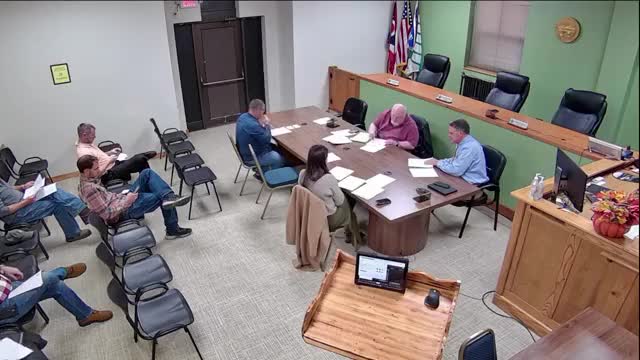
Hocking County zoning panel reviews short-term rental safety concerns, clarifies fee plan
Summary
The Hocking County Zoning Commission on Oct. 30 reviewed written complaints and safety findings tied to short-term rentals as it continues crafting local regulations.
The Hocking County Zoning Commission on Oct. 30 reviewed written complaints and safety findings tied to short-term rentals as it continues crafting local regulations.
Chair Belanger summarized letters and inspection reports the commission received since its Oct. 15 meeting, including a first-responder inspection that reported a propane-heated rental with no carbon-monoxide detectors, an exposed electrical box cover on an exterior porch, extension cords used outdoors and a fire extinguisher stored in a boxed basement. Belanger said staff is working to "record and document" owners so the properties can be brought into compliance with National Fire Code requirements.
A number of residents also submitted letters urging consistent rules for short-term rentals to preserve affordability and neighborhood character. A letter read at the meeting urged officials to "Please bring some sanity to this rental madness," warning that corporate vacation rentals and rising property values are pricing local families out of Hocking County.
Commission member (Speaker 3), who identified as a small short-term rental owner, said many owners feel overburdened by taxes and warned the proposed impact fee ordinance could place "an unfair financial and administrative burden on homeowners like myself" by grouping small owner-operated units with large commercial developments.
Belanger responded that the impact fee discussion is separate from the short-term rental regulations. He said the impact fee is intended for large new developments that create substantial infrastructure demand — examples cited at the meeting included gas stations and manufacturing operations that add wastewater or water outflows to county systems. "It's meant to be not for the, you know, if you've got an individual that's developing some cabins and they had to put in their own infrastructure, that's not gonna affect them," Belanger said.
The commission also discussed a proposed $50 registration/permit fee that would apply to all short-term rentals, while the larger impact-fee proposal will go to the county auditor for feasibility and legal review before the commission pursues it further.
Belanger read a letter from Police Chief Malin Girardi reporting that a review of the police department's computer-aided dispatch data found that in fiscal year 2024 "approximately 50% of all calls for service were directly related to tourism." The police letter recommended adopting a dedicated clearance code so officers can track tourism-related calls more precisely.
Members noted there has been conflicting input from local stakeholders and asked staff to reconcile drafts and submitted comment lists (members referenced an Oct. 7 draft still under discussion). No formal vote on the short-term rental ordinance or the impact fee is recorded in the meeting excerpt; motions to accept minutes and to approve the meeting agenda were made and seconded but no vote result is shown in the transcript provided.
Next steps recorded at the meeting: staff will continue collecting and reviewing written comments, commission staff will meet with the county auditor to assess impact-fee feasibility and legal constraints, and the commission will refine the short-term rental draft before further action.