Get Full Government Meeting Transcripts, Videos, & Alerts Forever!
Get email alerts on the Local Bylaws topic
No spam. Unsubscribe anytime.
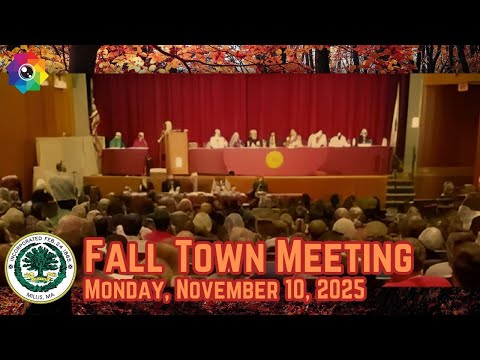
Millis rejects proposed ban on commercial gas‑powered leaf blowers after resident objections
Summary
Voters declined a select‑board‑sponsored bylaw that would have limited days and hours commercial gas‑powered leaf blowers could be used and set enforcement language; opponents raised legal and drafting concerns and the motion failed on a voice vote.
Select‑board members proposed an amendment to the general bylaws to restrict commercial gas‑powered leaf blower hours and cited noise and air‑pollution concerns. The article — presented as consistent with similar bylaws adopted by other Massachusetts towns and supported by the finance committee — would have limited operating days and hours for commercial operators and included enforcement provisions.
During discussion several residents urged rejection or substantial rewriting of the language. Nicole Riley said she supported the intent but warned the draft misstates the referenced state statute and could be challenged in court; she urged the article be returned for more precise drafting. “While I understand the underlying intent of this article, I would urge the town to vote no, and that the language of it needs a second go around,” Riley said.
Other residents raised practical concerns: Troy Congdon said electric blowers create similar fan noise, noted the proposal’s Sunday restrictions could affect residents, and asked whether decibel levels or seasonal exemptions should be used instead. Questions about whether condominium owners, single‑member LLC owners or small business operators would be considered ‘commercial landscapers’ prompted clarifying answers from town staff that the draft aimed to apply only to compensated landscapers working on another’s property.
After debate the motion did not secure a majority and failed. The meeting record shows FinCom had recommended approval (8–0), but several speakers argued the bylaw needed clearer drafting and accurate statutory citations before being placed to voters again.