Millis approves $125 million plan for Millis Middle‑High School, clearing way for $68 million state grant
Loading...
Summary
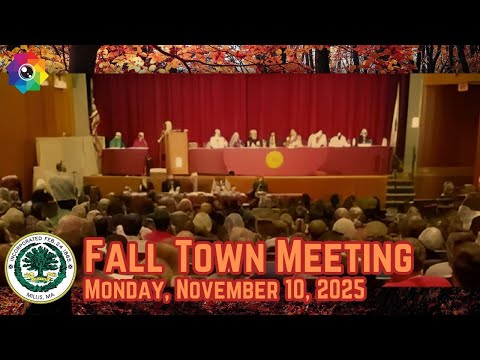
Millis voters on Saturday approved a $125 million renovation and addition for Millis Middle‑High School, moving the project closer to securing an estimated $68 million MSBA grant.
Millis voters on Saturday approved a $125 million renovation and addition for Millis Middle‑High School, moving the project to the next step to secure an estimated $68 million state grant from the Massachusetts School Building Authority (MSBA).
Finance Committee chair John Lohr, presenting the finance committee’s recommendation, said the appropriation includes $1.3 million previously approved for feasibility and schematic design and that the MSBA would cover roughly 55% of eligible costs while Millis would cover the remaining 45%. “This is a $125,000,000 project of which the MSBA will pay 55% and Millis will pay 45% of the project,” Lohr told meeting attendees.
The motion, which requires a two‑thirds vote tonight and a separate ballot vote to authorize the town’s tax increase, passed by more than the required two‑thirds margin. Town officials said the $56.25 million town share would be financed over 28 years; finance committee materials and presenters estimated the tax impact at about $914 a year for a home with an assessed value of $605,209.
School Building Committee Chair Richard Nichols framed the vote as the result of years of study and planning, saying the committee evaluated multiple options to find “the best value for the town.” At the microphone, parents, teachers and residents gave extended testimony in support of the project. “We moved here for the chance of the schools,” resident Joseph Sotelo said. “A vote of yes will cost the town less” than repeatedly funding repairs, he argued.
Supporters emphasized failing building systems and student safety: teacher and parent speakers described leaking roofs, HVAC failures and makeshift classroom space, and Superintendent Robert Mullaney said accreditation reviews have noted deficiencies in the building. “If the roof is leaking and we have water features in the classroom and mold forming in the ceiling, we are gonna have to fix that,” Select Board member Craig Schultz said when answering funding‑allocation questions during debate.
Opponents and some residents raised concerns about the scale of borrowing and long‑term budget effects, asking how the town will absorb operating costs when state grant sources change and whether alternatives—such as regionalization or phased repairs—had been fully explored. Town officials and FinCom members said declining federal and state aid, rising construction costs, and the unique MSBA funding window make the proposal time‑sensitive: if Millis declines the grant opportunity now the funds likely will be awarded elsewhere.
Officials said tax increases tied to the project would not begin until construction was complete and the borrowing was issued; they advised voters that additional budget and tax questions would be resolved during the ballot phase that follows the town meeting vote. The article passed by the required two‑thirds margin.