
Loudoun health official flags access to care, transportation and social isolation in Leesburg census tract
Get AI-powered insights, summaries, and transcripts
Sign Up Free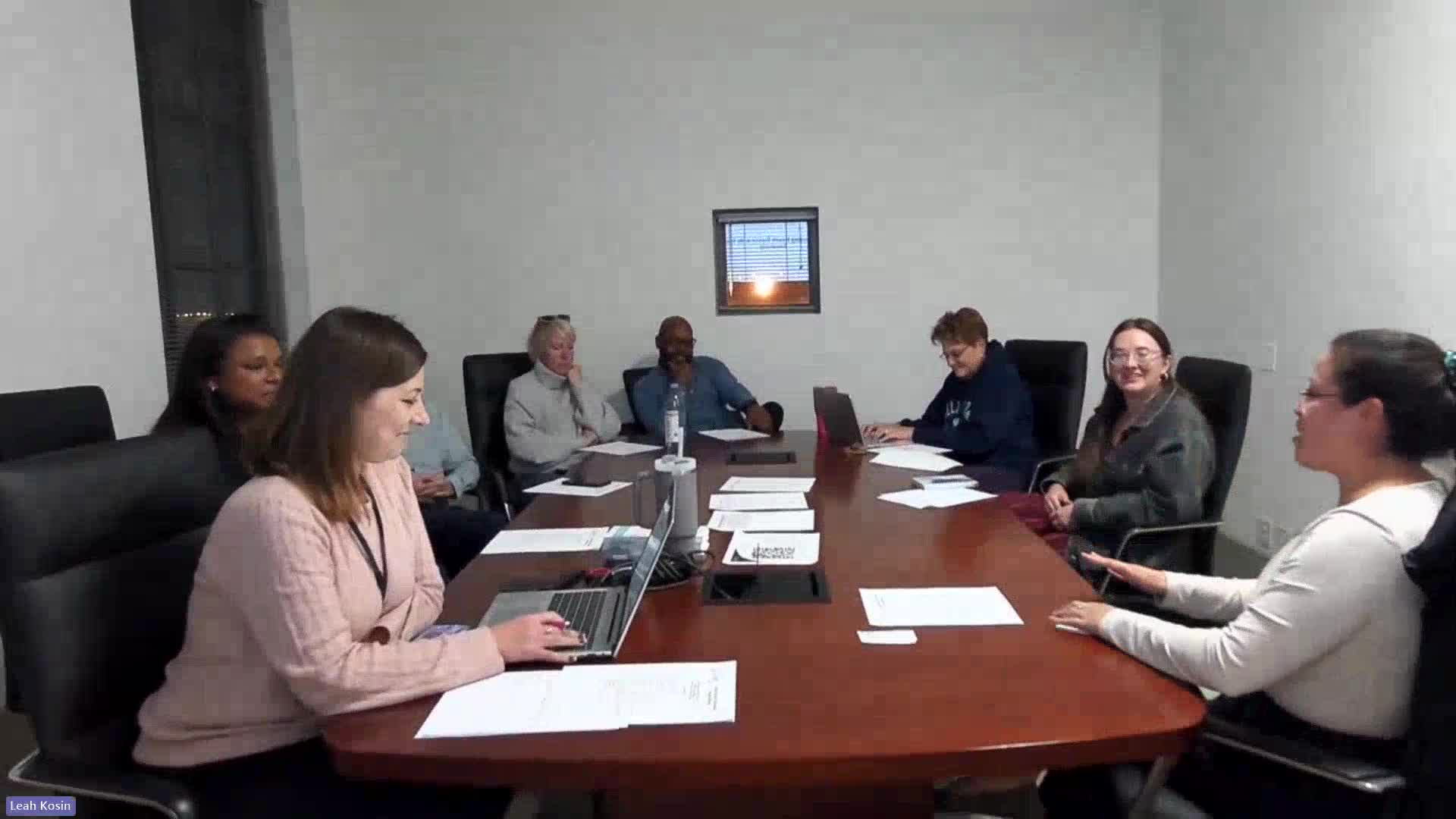
Summary
Monterrey Halman of the Loudoun County Health Department told the commission that a community health needs assessment with Inova identified access to care, transportation and social isolation as top concerns in a high‑vulnerability Leesburg census tract (6105.05), where roughly 1 in 5 residents lack insurance.
Monterrey Halman, Senior Health Educator and Policy Coordinator for the Loudoun County Health Department, presented community health needs assessment findings to the Newport University Commission on Nov. 12. Halman said the county and partners (including Inova) identified three leading challenges in a high‑vulnerability Leesburg census tract — access to care, transportation and social isolation — and urged locally tailored outreach.
The presentation focused on a specific census tract (6105.05) that Halman said shows disproportionate rates of tooth loss, obesity, poverty, housing and transportation vulnerability and a lower median household income. "Roughly 1 in 5 residents in this specific area are uninsured," Halman said, linking lack of coverage to harder access to preventive care and routine checkups.
Halman described proposed strategies to improve access: making community health worker positions permanent, expanding culturally responsive clinic hours and coordination among hospitals, urgent care centers and local clinics so residents can be connected to a medical home. "Community health workers are in the community, connecting the public to those services," Halman said, arguing for boots‑on‑the‑ground outreach where technology or literacy barriers limit online efforts.
Transportation emerged as a central barrier: Halman recommended options such as BrightShare shuttle programs, bus expansions and promoting free Latin Transit rides in partnership with town services; she cautioned that telehealth helps but is limited by broadband and device access.
Commissioners and attendees pressed for specific outreach channels. Halman noted existing partners — HealthWorks and local clinics — and recommended multi‑channel, culturally tailored strategies: school liaisons, market and grocery outreach, faith organizations and food pantries. She also emphasized collecting town‑level data: "We hope to do our own version of the community health needs assessment so you guys are able to have more of that data," Halman said.
Next steps noted in the meeting included follow‑up contacts between health department staff and commissioners, sharing resource contacts for schools and community liaisons, and exploring ways to fund and staff community health workers. Halman offered business cards and invited further collaboration and community education events.