Get Full Government Meeting Transcripts, Videos, & Alerts Forever!
Get email alerts on the Superintendent Evaluation topic
No spam. Unsubscribe anytime.
Chariho school committee deadlocks on revising superintendent evaluation; subcommittee, full‑committee proposals fail
Summary
Members debated whether a subcommittee or the full committee should develop a rubric to evaluate Superintendent Gina Picard. Motions for the full committee and to form a subcommittee both failed after tie or split votes; public commenters urged transparency and rigor in any new process.
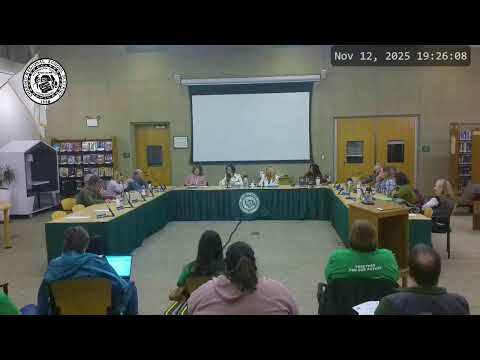
At a special meeting, the Chariho Regional School District School Committee spent the second half of its agenda debating how to revise the superintendent evaluation process and whether to use a scoring rubric developed by the full committee or by a smaller subcommittee.
Chair framed the discussion by summarizing a request from member Tyler Champlin and listing options: have the full committee develop a rubric, create a subcommittee to draft the evaluation process and rubric, include staff and community feedback, or retain the status quo. The chair emphasized the goal of professionalizing the evaluation process and insisted the discussion was not a critique of Superintendent Gina Picard personally.
Jess Purcell moved that the full committee develop a rubric; supporters argued a full‑committee process would make members accountable and would require evidence to support scores. Opponents argued that drafting a rubric with a full committee would be time‑consuming and might impede consensus. The motion was put to a vote and recorded as failing (members voting yes: Linda, Jess, Karen, Craig; members voting no: Polly, Chair, Laura, Larry).
A separate motion to create a subcommittee to develop or revise the evaluation process — including a rubric — was then proposed. Committee members debated quorum rules, transparency for subcommittee meetings and whether smaller groups would unfairly exclude perspectives. Staff and others said subcommittee meetings are public but attendance rules and quorum mechanics limit participation once a quorum of elected members are present. Public commenters urged careful design: Samantha Wilcox said a subcommittee risks excluding community voices, and Gary Stoner warned of confirmatory bias and suggested hiring a professional evaluator if the district reworks the process.
After extended discussion, the motion to form a subcommittee was put to a vote and recorded as tied (4 in favor, 4 opposed) and therefore failed. A later motion to keep the existing evaluation process as‑is was also put to a vote and failed. The committee did not adopt a new evaluation rubric or establish a drafting subcommittee at this meeting.
The meeting moved on to related business; the committee later approved adding Diane Tefft to the necessity‑for‑school‑construction subcommittee so she can receive more direct information about land and project developments.