
Humble ISD board approves voluntary Marshall pilot despite broad public opposition
Get AI-powered insights, summaries, and transcripts
Subscribe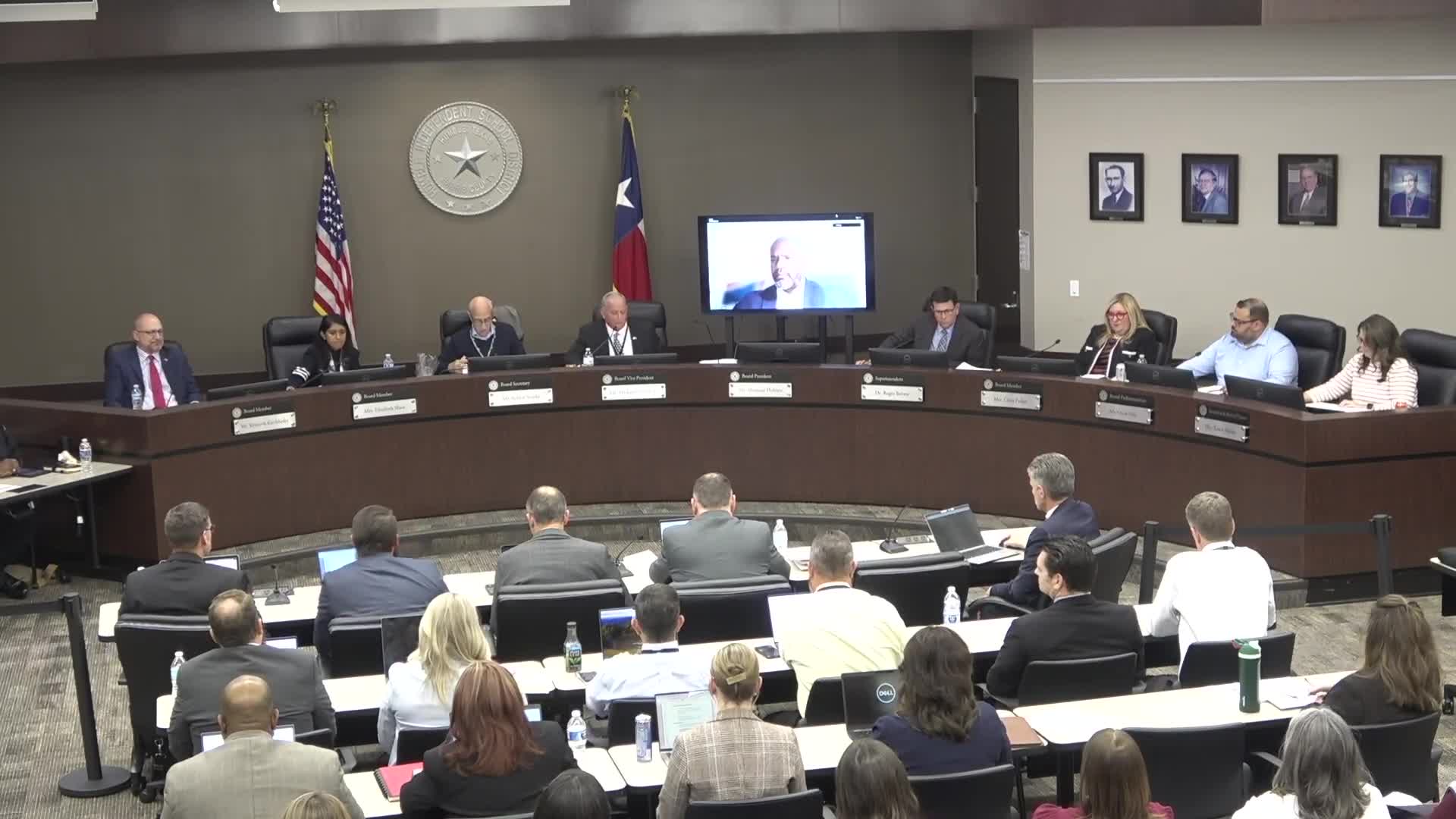
Summary
The Humble ISD Board of Trustees voted 6–1 to authorize a voluntary pilot of the Texas Marshall (school marshal) program after lengthy public comment and trustee discussion.
The Humble ISD Board of Trustees voted 6–1 to authorize a pilot of the Texas Marshall (school marshal) program after extensive public comment and more than an hour of trustee discussion. Supporters said the pilot is voluntary for district employees and would be implemented slowly; opponents said arming staff would change the learning environment and carry serious safety and ethical risks.
Trustee Silva moved to approve the implementation of a school marshal pilot, and the motion passed after trustees described a phased rollout that could take 12–18 months. The district said marshals would be district employees who volunteer, possess a license to carry, pass a background check and psychological exam, undergo a social‑media review, and complete state training overseen locally by the Humble ISD police chief. "It is all voluntary," Trustee Grabowski, chair of the district safety committee, told the board, adding that TCOLE and local training would be used and that Chief Cook would be responsible for final certification.
Many members of the public urged the board to reject or delay the pilot. A parent who spoke during public comment said, "Before we entertain the idea of introducing firearms into our school, we must first demonstrate that we can effectively protect and manage the basic safety needs of every child in your care," and urged the district to fix transportation and special‑education staffing first. Clergy, former employees and parents raised similar concerns about the sufficiency of training, confusion in an active shooter response, and the district's existing police force.
Trustees who supported the measure said the pilot authorizes further work by the district's safety committee — including drafting a manual, determining success criteria and soliciting staff and community feedback — but does not immediately place firearms in classrooms. Trustees also emphasized volunteer participation and repeated that the district's police force will remain the primary security presence on campuses.
The board discussed costs and oversight: trustees said external training costs would be covered largely by TCOLE‑related resources and the district would pay a stipend for participating employees. Requalification and recurrent training were described as part of the local plan. The motion language and board remarks said the pilot would allow administrators to continue developing implementation details and community feedback processes. The board recorded the final vote as 6 in favor, 1 opposed.
What’s next: The safety committee will draft the program manual and timeline, solicit staff and community input, and report back to the board as the pilot design progresses. The board did not set a specific date to bring marshals into campuses; administrators described the first marshals entering training and certification over a period likely longer than a year.