
School board reviews stop‑arm camera pilot findings and vendor risks
Get AI-powered insights, summaries, and transcripts
Subscribe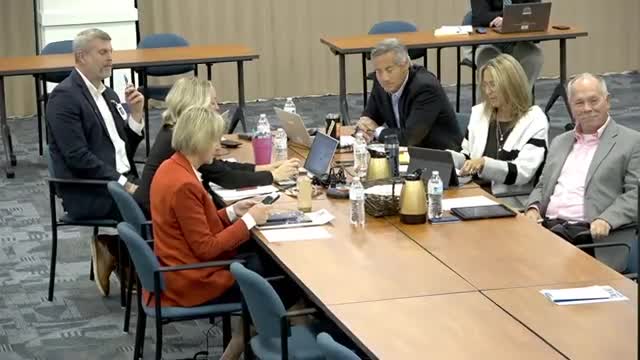
Summary
District transportation staff presented results from a stop‑arm and speed enforcement camera pilot and recommended further vetting: Bus Patrol scored highest in the district’s rubric, while security and contract concerns prompted trustees to invite the top vendors for board presentations before a procurement decision.
District transportation staff presented a months‑long pilot of stop‑arm and school‑zone camera systems at the Nov. 11 Charlotte County Public Schools board workshop and urged trustees to seek more vendor detail before selecting a system for wider deployment.
"We concluded our pilot with four different vendors," said Transportation staff (speaker 13), summarizing the district's scoring process and the operational questions that emerged. The pilot evaluated Bus Patrol, Vera Mobility/REI, Gatekeeper, and an AngelTrack/SafeFleet variant; Bus Patrol scored highest in the district rubric (reported as 64 of 100) and the next vendor scored 61. Speaker 13 told trustees that two vendors scored lower because their evidence‑viewing packages required software that conflicted with district cybersecurity protocols and the county sheriff declined to accept those systems.
The board also heard that state law changes have increased penalties and enforcement tools for stop‑arm violations. "Those fees for the citations have gone up," Transportation staff (speaker 13) said, and county leaders plan to go live Jan. 1 with a 30‑day warning period before issuing tickets. Staff emphasized that the district must set up interlocal agreements and a magistrate process for contested citations; the county has offered a magistrate building and monthly hearing dates for appeal processing.
Trustees pressed staff on vendor experience and contract risk. Board member (speaker 5) said she contacted counterparts in Manatee and Osceola counties and found that a vendor the district was considering had not been operating under the contracts the vendor had claimed. "They were just one of five companies that was in the pilot," the board member said, adding that the district should not be a vendor's first full deployment. Transportation staff and other trustees acknowledged some counties have paused programs and that experience varies.
Board members also discussed contract structure and potential termination liabilities. Transportation staff estimated capital savings tied to vendor‑provided internal bus cameras — noting a rough figure of "$10,000 per bus" in the pilot presentation — and described an initial five‑year contract offer from one vendor. Trustees asked staff to explore short‑term contract options and negotiate terms that allow stepping back if problems arise.
No procurement decision was made. Several trustees asked staff to invite representatives from the leading vendors to present to the board in December or January so trustees can ask direct questions about implementation, citations issued elsewhere, contracts, cybersecurity, and magistrate arrangements.
What happens next: staff will schedule vendor presentations and return with contract options and additional evidence of other counties’ experience so trustees can weigh operations, costs, and legal protections before authorizing broader deployment.