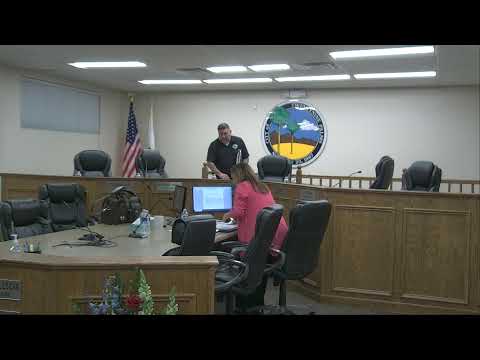
Twentynine Palms council trims nonprofit fee waivers, adds appeal path after heated public debate
Loading...
Summary
After public testimony and council debate, Twentynine Palms' City Council amended its facility fee-waiver policy to limit nonprofit waivers to two days per calendar year per facility, add deposit and cancellation rules, and create a no-fee appeal to council for denials; the motion passed unanimously.
Twentynine Palms City Council voted unanimously to amend City Council Policy No. 1 on facility fee waivers, narrowing the number of annual fee-waived days available to nonprofit organizations and adding a formal appeal process.
The changes, approved 5-0, reduce the previously available three fee-waiver days (per the prior policy) to two days per calendar year per facility, introduce refundable deposits and forfeiture rules for late cancellations, and add an administrative requirement that appeals of staff denials may be heard by the full council without an appeal fee.
Staff presented the amendment as a fiscal-responsibility measure. City staff reported the city has tracked just over $20,000 in potential rental income foregone under the current waiver practice; managers said the goal was not to eliminate community access but to make the program fiscally sustainable.
Several public commenters urged preserving access for local fiscally sponsored nonprofits and criticized draft language that would have barred fiscal sponsorships or disqualified organizations with pending litigation against the city. Cindy Bernard, representing Indian Cove Neighbors and speaking with assistance from Green Fire Law, argued the original draft would have chilled protected speech and urged removal of language that could condition access on viewpoint or litigation status. Jonathan Hume, a Desert Trumpet board member, said a steep cut from three days to one (the staff's initial draft) would harm civic organizations that host candidate forums and community roundtables.
City Attorney Patrick Muf1oz advised the council that fee waivers are discretionary and recommended adding an appeal path to ensure due process when staff denies a waiver. The council agreed to grandfather existing, valid waivers and clarified the two-day limit applies per facility per calendar year (for example, two days at one facility rather than two at each city venue).
Councilmember discussion focused on balancing civic access and cost recovery. Several council members supported maintaining access for local organizations that use fiscal sponsors (for example, Basinwide Foundation), and a compromise emerged to preserve reasonable access while adding deposit and cancellation protections.
The motion as made and adopted included: (1) limit of two fee-waived days per calendar year per facility for eligible nonprofits; (2) 50% refundable deposit requirement with forfeiture for cancellations inside the set window; (3) administrative rules on insurance and timely paperwork; (4) a no-fee, direct appeal to the city council for denied waiver requests; and (5) grandfathering of currently approved waivers. Mayor (presiding) announced the motion carried 5-0.
Next steps include staff implementing the deposit and refund procedures and updating forms and public guidance. The council asked staff to return with clarified policy language and to monitor impacts, with the option to revisit the cap after a one-year review if community needs warrant.