Get Full Government Meeting Transcripts, Videos, & Alerts Forever!
Get email alerts on the Student Services topic
No spam. Unsubscribe anytime.
Tustin Unified highlights school-based mental-health supports and 15 community schools
Summary
TUSD officials presented a districtwide student services model that emphasizes mental-health supports, alternatives to suspension and community schools; Director Laura Rubio said health services manage over 19,000 medical conditions among the district's 21,000+ students and described staffing and program totals.
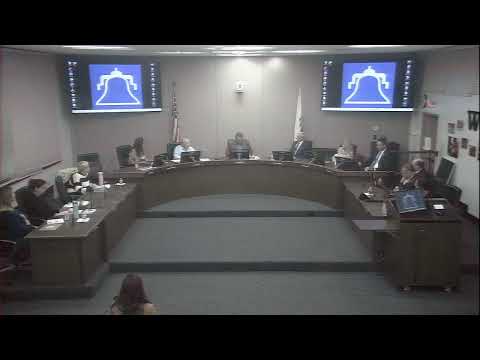
Tustin Unified School District leaders on Tuesday detailed the district's student-services model, emphasizing mental-health supports, coordinated health services and an "alternative to suspension" approach intended to keep students connected to learning.
Director of Student Services Dr. Laura Rubio told the board the department focuses on foundational needs "safety, belonging, and well-being" so students can succeed academically. "Our work in student services lives at those foundational levels," Rubio said. She said the district's health services team manages "over 19,000 medical conditions among our 21,000 plus students," and that the district operates 15 community schools, employs 12 mental-health specialists and nine school social workers.
The presentation, part of the board's Tustin Brightspot series introduced by Dr. Litvin, described how the student-services team partners with special education, site teams and community agencies to provide crisis response, therapy, and family resources directly on campuses. Rubio said intervention supports including alternatives to suspension aim to keep students engaged: "Through reflection, counseling, and skill building, we focus on growth and accountability, not punishment. This work is about second chances and ensuring every student has a clear path back to success."
Board members responded with praise and questions about outcomes. One member noted the district had not suspended any students so far this school year and said that was a sign of progress. The board also highlighted ties between student-services work and family-engagement activities on elementary and middle school campuses.
District officials said the community-schools model delivers services such as mental-health care, food access and family workshops directly on campuses, and that nurses, licensed vocational nurses and 30 health clerks form part of the health-services backbone. The presentation closed with recognition of the staff involved and a request that the board continue supporting integrated approaches to student wellness.
The presentation did not include new policy changes; board members asked staff to continue reporting outcomes and data at future meetings.