Get Full Government Meeting Transcripts, Videos, & Alerts Forever!
Get email alerts on the Licensure Policy topic
No spam. Unsubscribe anytime.
Connecticut board debates whether graduates should sit landscape-architecture exam before two years’ experience
Summary
The State Board of Landscape Architects discussed whether recent graduates should be allowed to begin or finish licensure exams before completing the statutory two years of supervised experience, weighing candidate confusion from CLARB materials against the board’s duty to follow state statute and protect public safety.
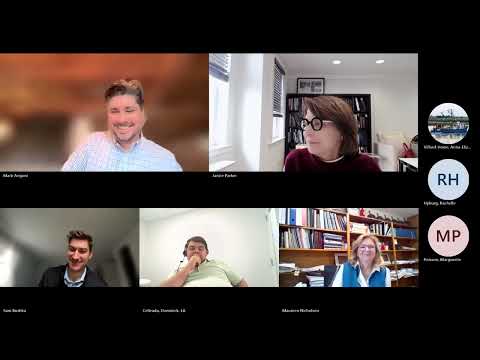
The State Board of Landscape Architects spent most of its Nov. 13 meeting focused on who may sit for the licensing exam and when.
An applicant, Sam Bushka, told the board he had passed two sections of the exam and was "getting ahead of things" while he completes the remainder of the process. Sam said he had learned from professors and CLARB materials that candidates could begin the exam earlier; board members pushed back, noting Connecticut statute and the board’s implementing regulation require applicants to document education and supervised experience before licensure review.
The issue matters because the board’s statutory and regulatory framework ties licensure to public-safety responsibilities. "We have to play black and white and we have to look at the rules," one board member said, arguing the board must enforce the two‑year supervised-experience expectation rather than creating informal exceptions. Members worried that allowing candidates to sit the exam before meeting experience requirements could set a precedent that undermines the credential’s safeguards.
Board members also described repeated confusion among students who rely on CLARB (the Council of Landscape Architectural Registration Boards) or employer guidance rather than state pages. "CLARB is not the be-all end-all in this situation," a member said; another encouraged continuing outreach to the University of Connecticut and Yukon professional-practice classes so students "hear it again." The board agreed that clearer guidance on the Department of Consumer Protection (DCP) landscape-architecture application page and coordinated edits to CLARB’s state-facing content could help reduce misperceptions.
Staff confirmed that some candidates submit CLARB transmittals before the board receives full documentation; licensing staff told the board Sam filed his application Nov. 7 but the CLARB transmittal had not reached staff as of the meeting. Members recommended holding informal review until a complete packet is available and agreed to return incomplete applications until the required transmittal and supporting documents arrive.
While members emphasized adherence to current statute and regulation, several said the board should explore whether the process ought to change. The chair proposed adding a firm agenda item for the board’s February meeting to consider regulatory edits or, if necessary, whether a statutory recommendation to the legislature is appropriate. Members stressed that any move to change eligibility would need precise language to avoid unintended openings for alternate routes to licensure.
The board did not adopt any rule changes at the meeting. The discussion concluded with a plan to put the issue on the February agenda, gather legal and stakeholder input, and continue outreach to education programs so students and employers better understand Connecticut’s current eligibility rules.