Get Full Government Meeting Transcripts, Videos, & Alerts Forever!
Get email alerts on the Local Vehicle Registration Fee topic
No spam. Unsubscribe anytime.
Eau Claire council raises local vehicle-registration fee to $50, adds three-year sunset
Summary
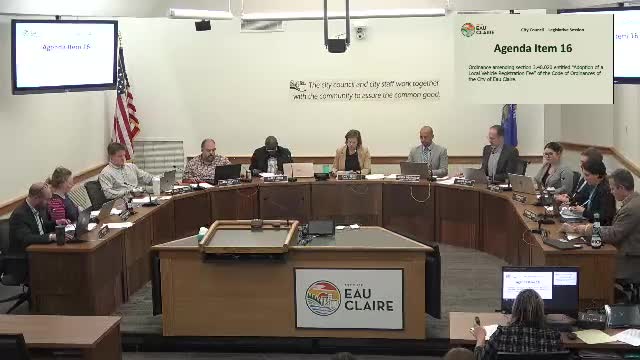
On Nov. 11 the Eau Claire City Council voted 7—3 to raise the local vehicle registration fee from $24 to $50 beginning 2026 and added an amendment that would return the fee to $24 on Dec. 31, 2028 unless extended. Council members debated alternatives and legal staff said the fee must be used for transportation.
The Eau Claire City Council voted 7 to 3 on Nov. 11 to raise the local vehicle registration fee from $24 to $50 and added a sunset clause returning the fee to $24 on Dec. 31, 2028.
Finance Director Amanda Winters told the council the increase would provide recurring revenue for transportation needs and that the city maintains an unassigned fund balance and other reserves. "Last year's year-end value was $27,000,000," Winters said when describing the city—s reserves and fiscal context. City Attorney Steve Nick confirmed the fee is statutorily authorized and "needs to be used for transportation purposes," as he told the council during legal Q&A.
Councilmember Sean Miller, who proposed the amendment that set a three-year sunset date, said the measure is intended as temporary relief while the city pursues other revenue options. "This fee will give us the largest local vehicle registration fee in the state," Miller said, and argued the sunset would allow the council to revisit the rate in 2028 after potential state funding or other revenue changes.
Opponents warned about the fee—s burden on lower-income households. Councilmember Mboga said he would not support the increase after hearing numerous calls from constituents who said they were struggling to pay basic expenses. "People are struggling," he said, noting a recent constituent who called him in distress.
Councilmembers who supported the increase said the city faces rising costs—especially road construction and materials—and limited state revenue-sharing options. Vice President Worthman said residents had made clear they preferred preserving services rather than cuts: "People value those things," Worthman said, urging advocacy for state-level revenue reform.
The council also passed language instructing staff to reevaluate the fee if the state changes shared-revenue arrangements or municipal sales-tax authority. The ordinance will take effect as specified in the measure and the clerk—s office will publish the final ordinance and implementation date.