Get Full Government Meeting Transcripts, Videos, & Alerts Forever!
Get email alerts on the Crisis Response topic
No spam. Unsubscribe anytime.
Tulsa’s ART1 and R2 teams highlighted as front-line crisis and outreach resources
Summary
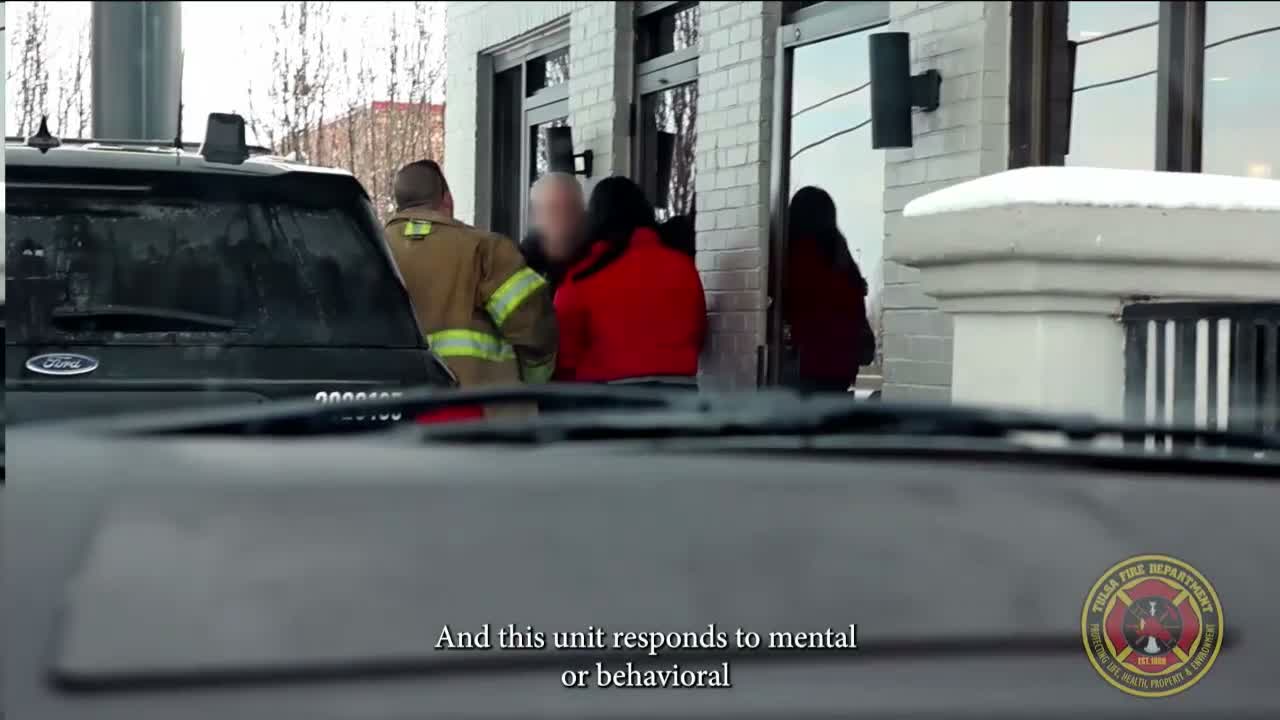
City presenters described ART1 (paramedic+clinician co-responder) and R2 (downtown firefighter-paramedic community paramedicine) as programs that provide medical evaluation, psychological care, outreach, and case-management follow-up; presenters cited a multi‑year housing success as evidence of impact.
A Family and Children Services representative (S1) described ART1 as a crisis‑response program that pairs a paramedic with a clinician to respond to mental and behavioral health 911 calls citywide. The representative said ART1 responds across ages but identified a concentration in the 18–45 age range and that roughly 20% of ART1 calls involve people who are unhoused. ART1’s model includes on‑scene medical evaluation, psychological assessment, scheduling clinic appointments, and, when appropriate, transporting individuals to alternate destinations such as crisis care centers or urgent recovery centers.
The downtown Alternate Response Team 2 (R2) was described as staffed by two sworn firefighter‑paramedics trained in community paramedicine and positioned to cover the IDL/downtown area. R2 performs traditional medical response when needed and also provides outreach, wellness checks, blood‑pressure checks, basic aid (water in heat, warmth in cold), and coordinated referrals to community partners. The presenter emphasized follow‑up, noting that case managers check back within days of a response to ensure services are in place and that this continuity is central to seeing sustained outcomes.
An anecdote given by the presenter illustrated the model’s long‑term engagement: a person experiencing chronic homelessness and alcohol history was worked with repeatedly over years, supported through applications and service navigation, and later obtained housing and improved circumstances. "Someone who has been unhoused for 5 years... after 5 years, this person's housed now," the presenter said, using that example to argue for continuing and scaling these co‑response and outreach efforts.
Councilors asked about coordination with community partners and data collection (heat maps, utilization metrics); the presenter said the teams use institutional knowledge and data to focus outreach times and locations and coordinate with partners like Family and Children Services and local nonprofits.
What’s next: councilors and staff flagged ongoing evaluation and data-sharing as follow-ups; no formal action on funding or expansion was recorded in this meeting.