Ballston Spa board sends zoning draft to planning boards after months of debate
Loading...
Summary
Trustees voted 4–1 to have the village attorney and consultant finalize an amended zoning code draft and release it for review by the planning and zoning boards and public comment; trustees clashed over process, lot-size changes, ADUs and sidewalk/loan programs.
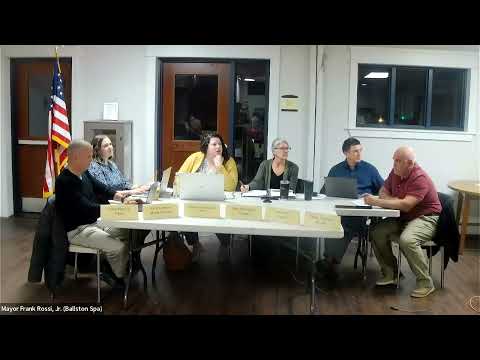
After an extended and sometimes heated exchange, the Ballston Spa Village Board voted to forward a revised zoning code draft for review by the planning and zoning boards and make it available for public comment.
The motion directed village consultant Chris and the village attorney, Carla, to complete edits consistent with prior meeting decisions and circulate a working draft to the planning board, zoning board and county planning for review and public viewing. The motion passed on a roll call vote, 4–1.
Trustees and residents spent the meeting debating several substantive issues that remain unresolved in the draft: minimum lot sizes in single-family zones (several speakers urged increasing minimums from 4,000 to 5,000–7,500 square feet in many neighborhoods), whether two-family (R2) and accessory dwelling unit (ADU) rules should be allowed by special permit and limited to owner-occupancy, and standards for nonresidential uses within residential zones. Trustee (speaker 12) repeatedly urged establishing mandatory sidewalk construction or a reimbursement/loan program and asked for a timetable to get code and implementation language finalized.
Several trustees said the majority’s policy choices should be reflected in the draft sent for review, while others objected to what they described as an accelerating timeline that could limit further board edits. The chair argued the next step was external review and that most remaining changes would be ironed out through the planning/zoning-board process and public hearings.
Next steps: the draft will go to the planning and zoning boards for review; trustees were told the county and local boards’ reviews occur in public meetings and written comments can be submitted for the public record. The board expects a public hearing process (likely two hearings) once the draft is returned with any recommendations.