Tekon lays out three options, large costs for Squadron Line School replacement or renovation
Loading...
Summary
Tekon Architects presented three options for Squadron Line School — status quo phased repairs, a renovate-as-new phased renovation, or full new construction — and estimated total project costs around $131 million with Simsbury's net share roughly $66'$68 million depending on scenario; grant timing could place completion near 2031.
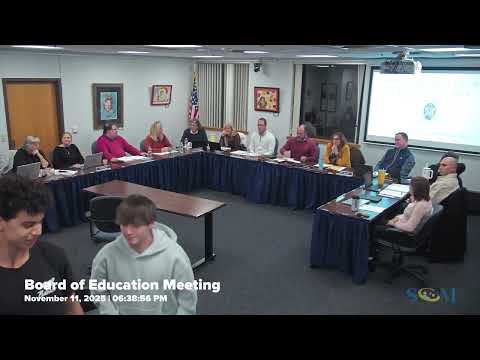
Tekon Architects presented detailed options and cost estimates for Squadron Line School at the Simsbury Board of Education meeting, urging the board to weigh state reimbursement rules, construction schedules and swing-space logistics before picking a path.
Jeff Wazinski, principal at Tekon Architects, said the 1969 building is about 91,000 square feet on a 20-acre site and "the building really hasn't been touched since it was originally constructed." He pointed to active roof leaks, single-pane windows and open-classroom acoustical issues as drivers of the project need.
Wazinski described three scenarios: a status-quo, year-by-year repair program; a renovate-as-new phased occupied renovation like the district's recent Latimer Lane project; and full new construction sited on the existing property. He said the state's allowable area calculation for the projected enrollment (624 K-6 plus an 80-student pre-K) yields about 99,625 square feet as the reimbursable footprint.
On reimbursement, Wazinski noted state rates and recent changes: "new construction, the state would reimburse you at 29.17 [percent]; general construction or renovate-as-new they'd reimburse you at 36 [percent]," and that recent adders (15% for early-childhood space and targeted adders for specialized education) can materially improve the town's effective reimbursement. "The state will pay you 36¢ on that dollar," he summarized when explaining how the renovate-as-new reimbursement functions.
Tekon's cost comparisons put a full renovate-as-new project at an estimated $131 million total project cost, with Simsbury's net share around $68 million after reimbursement and eligibility adjustments; the firm estimated escalation of roughly $36.8 million in that scenario. New construction produced a comparable total cost but slightly lower net town share (about $66 million) because of more predictable eligibles and a shorter construction period, Wazinski said.
Schedule and logistics were central to the presentation. Wazinski said new construction could be complete in 18'1 months (with demolition and site remediation following), while a phased occupied renovate-as-new could take three to four years, increasing escalation and the complication of swing space. He also noted demolition costs of roughly $50'$55 per square foot as part of the new-build budgeting.
Board members pressed on modular swing-space costs, environmental remediation, and whether the reimbursement adders (15% for pre-K and 15% for specialized education) would remain available at grant submission. Wazinski cautioned the adders' longevity was uncertain and recommended more refined programing and budget analysis before committing to a grant timeline.
Next steps: Tekon recommended the board narrow preferred options, refine budgets and siting scenarios, evaluate swing-space solutions (temporary modulars can add millions to the budget if required for multiple years), and prepare an application for the state grant cycle targeted for June 2027. If the district wins priority listing, design could begin in late 2027 and a new building could open around 2031, depending on chosen approach and schedule.
The board did not take a final vote on a preferred option at the meeting; members asked staff and Tekon to return with more detailed cost breakdowns, phasing plans and community engagement material.