
Rockaway Township lays out plan to use NJSLA data, LinkIt and RTI to boost student outcomes
Get AI-powered insights, summaries, and transcripts
Subscribe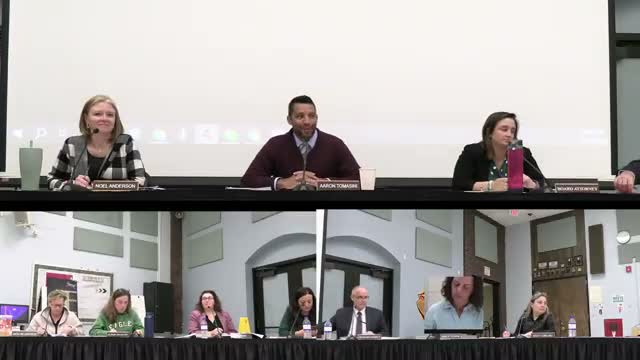
Summary
District leaders described a coordinated strategy to raise NJSLA results 5% by June 2026, expand universal scheduling, and use LinkIt/Lincoln intervention manager and iReady to target supports for students who approach or do not meet state expectations.
Rockaway Township Board of Education members heard a detailed education presentation on the district’s assessment and intervention strategy during their November meeting, including goals to raise the share of students meeting or exceeding NJSLA (state assessments) and steps to better coordinate supports across elementary and middle schools.
The district’s education director told the board the NJSLA adaptive field test began this week and said the district’s target is “to increase the percentage of students meeting or exceeding expectations on the NJSLA in English language arts by an additional 5% across all grade levels 4 through 8 compared to the 24-25 performance results.” The presenter described a package of changes he said will help reach that goal: 100% implementation of end-of-unit common assessments (iReady and grade-level benchmarks), district-wide use of the LinkIt platform and Lincoln intervention manager for progress monitoring, and a universal scheduling initiative intended to protect core instructional minutes.
“We’re bringing back portrait of a student, but we’ll be building base this year,” the presenter said, explaining that universal scheduling will ensure intervention and special programming are scheduled so core instruction is not pulled, particularly in elementary ELA and science. The district also plans specific professional development for teachers and a normed RTI (response to intervention) protocol, including a requirement that students in tier 3 receive intervention four to five days per week with progress monitoring recorded in LinkIt.
The presentation included operational detail. The presenter said every classroom has interactive whiteboards and that students receive a Chromebook beginning in fifth grade; he described data flows from iReady and other common assessments into LinkIt to enable teachers and parents to track progress in real time. The presenter also said about 2,450 students are enrolled districtwide (he initially cited 2,250 then corrected), and used percentage breakdowns while describing RTI caseloads and tier placements to explain where supports will be concentrated.
Presenters emphasized inclusion and grade-level exposure for special education students. "Our students in the resource room are working with the same curriculum that our general ed students are working with," the education director said, adding that aligning IEP instruction with grade-level content can help close achievement gaps.
Board members pressed for specifics on longitudinal tracking and parent access. In reply the presenter said LinkIt allows teachers and parents to view prior years’ data "so if you have a sixth grader, you can go all the way back to second grade," which he said raises accountability and helps teams decide when a student should remain in or exit intervention.
Why it matters: district leaders framed the changes as a coordinated attempt to move students from “approaching” to “meeting” grade-level expectations by combining better assessments, clearer RTI protocols and real-time data. The board approved education recommendations and discussed follow-up steps including posting the presentation materials on the district website and continuing professional development for teachers.
Next steps: the district said it will begin some interventions (the Comprehensive Adolescent Program at Copeland was scheduled to begin the week of Nov. 17), continue analyzing assessment data, and continue implementing LinkIt and Lincoln intervention manager trainings; the board will receive updates as data roll in.