
Council refers proposed property‑tax circuit‑breaker pilot to Housing & Community Development Committee
Get AI-powered insights, summaries, and transcripts
Sign Up Free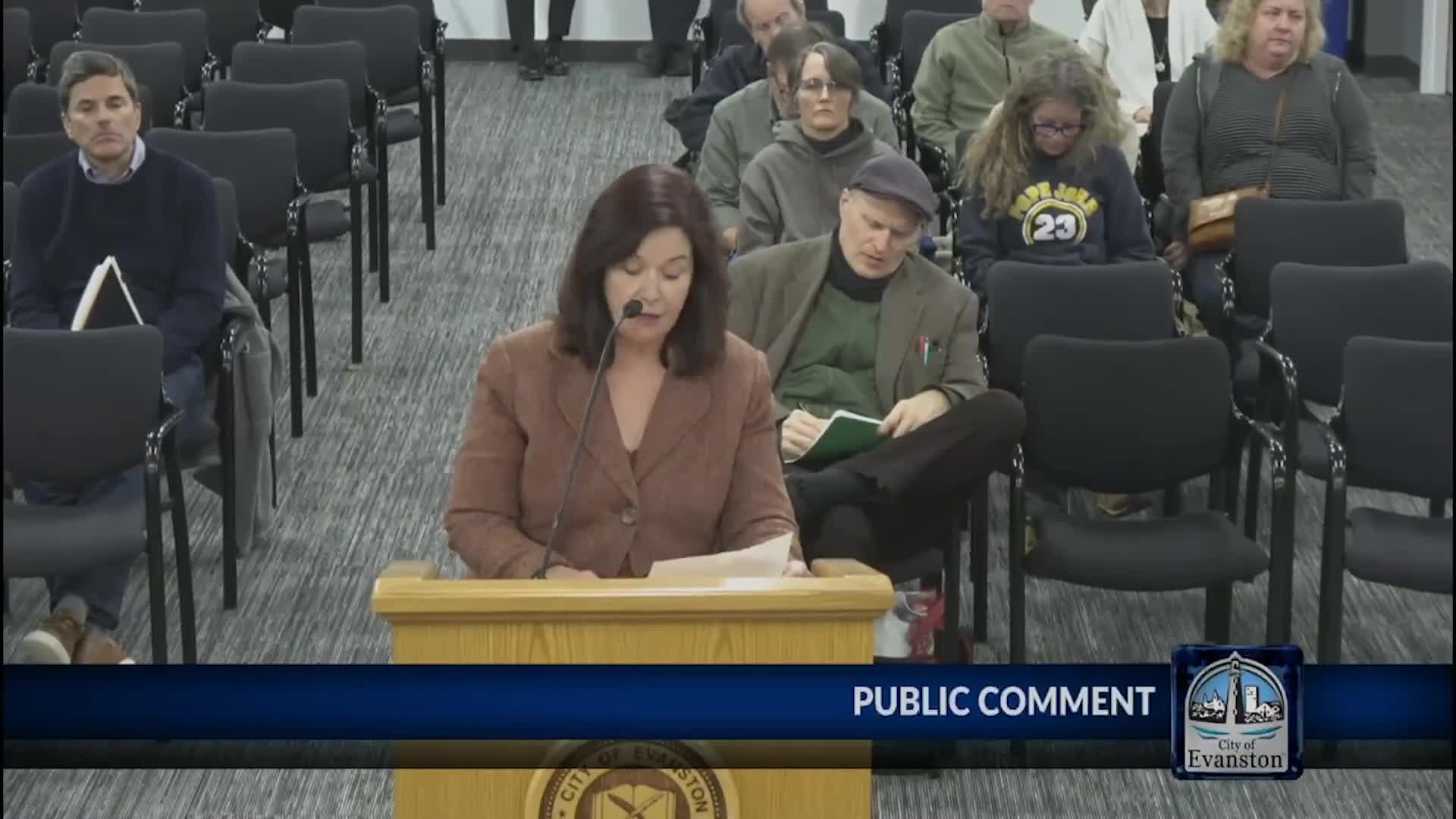
Summary
After extensive public comment and council debate, the City Council voted unanimously to refer a proposed municipal property‑tax circuit‑breaker pilot (intended to protect long‑term homeowners facing sharp tax increases) to the Housing & Community Development Committee for detailed drafting and recommendation.
Councilors debated a proposed Evanston Property‑Tax Circuit Breaker pilot on Nov. 10 that would provide targeted tax relief for certain long‑term homeowners whose property‑tax burden has grown materially. The proposal was framed by backers as an anti‑displacement tool to help seniors and long‑time residents stay in their homes; critics cautioned that the design excludes renters, may impose administrative costs and could divert limited affordable‑housing funds.
Supporters during public comment — including housing advocates and residents — urged immediate action. "This program is designed to help longtime Evanston homeowners stay in their homes and keep our communities stable," Tricia Connolly said. Multiple speakers pushed the council to allocate available funds (for example, the Northwestern Good Neighbor Fund) for an initial pilot.
Council members agreed the problem of tax‑driven displacement merits action but differed on timing, eligibility and funding. Some members said the circuit‑breaker concept should be considered alongside the city’s broader 'Housing for All' strategic plan so options could be weighed across anti‑displacement strategies. Others emphasized urgency and the availability of one‑time funds to pilot a program.
Council voted to refer the circuit‑breaker proposal to the Housing & Community Development Committee (HCDC) for detailed drafting and a recommendation to the full council. Committee work is expected to include eligibility criteria, funding sources and administrative design; staff noted HCDC would aim to return a refined proposal for council consideration in early 2026.
What’s next: HCDC will refine the proposal, clarify eligibility (examples discussed include AMI thresholds, minimum years of ownership, and household size/square‑footage considerations), and recommend a funding mechanism and pilot timeline before the council considers adoption.