
Committee hears hours of testimony as Rep. Wolford seeks to lower CPL age from 21 to 18
Get AI-powered insights, summaries, and transcripts
Sign Up Free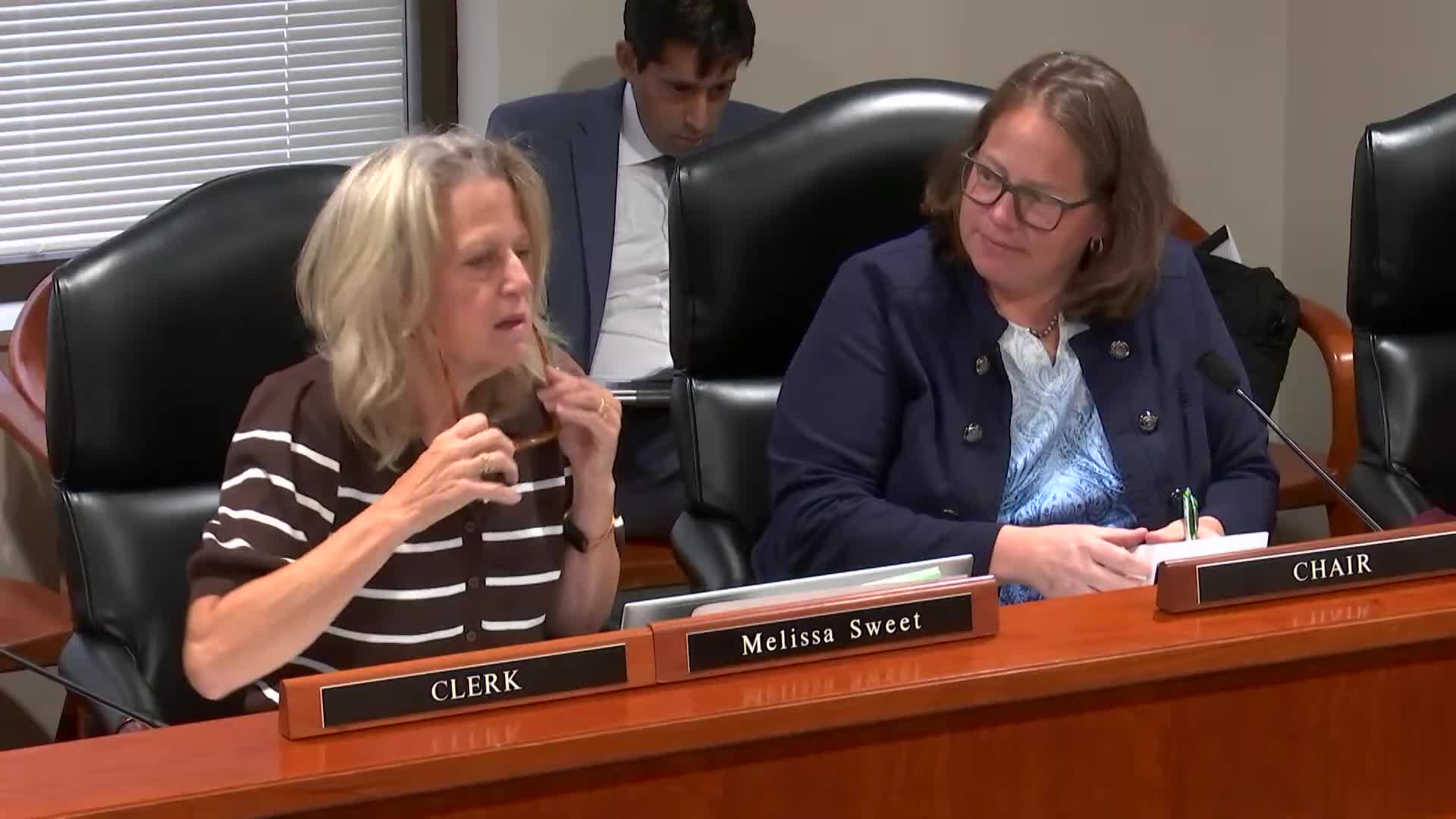
Summary
Representative Wolford and witnesses told the House Judiciary Committee that House Bill 4586 would lower the concealed pistol license age from 21 to 18 while preserving background checks and training; opponents including Moms Demand Action warned of higher homicide rates among 18–20-year-olds and urged the committee to oppose the bill.
Representative Wolford introduced House Bill 4586 to lower Michigan’s minimum age for a concealed pistol license (CPL) from 21 to 18, emphasizing the bill would not change required background checks, training standards or disqualifying offenses.
"This bill ensures that responsible, trained 18- to 21-year-olds can exercise their constitutional rights within the same framework as everyone else," Wolford told the panel, arguing the change would align CPL age rules with other adult rights.
Proponents included a legal witness who said U.S. Supreme Court guidance in New York State Rifle & Pistol Ass’n v. Bruen supports recognizing 18–20-year-olds within the core scope of Second Amendment protections and advocates who noted that Michigan already permits some possession and purchase contexts at 18. Tom Lambert, legislative director for Michigan Open Carry, described licensing as a mechanism that removes the risk of felony charges for inadvertent concealed possession and urged the committee to permit 18-year-olds to obtain CPLs after training and background checks.
Opponents, including Gail Duncan of Moms Demand Action, recounted personal losses from gun violence and presented data cited in testimony that individuals aged 18–20 commit gun homicides at higher rates than older adults and that adolescent brain development can affect impulse control. "I urge members of this committee to please oppose House Bill 45 86 and prioritize the safety of our communities," Duncan said.
Committee members asked for comparative data on how many states allow 18–20-year-olds to carry concealed; a witness estimated about 15 states allow such licenses but said he would confirm the exact count. Members also asked practical questions about training and the differences between CPL rules and other age-limited rights such as alcohol purchase.
No committee vote on HB4586 was recorded at this hearing; Chair Leitner closed questioning and the committee moved on to other bills.