Get Full Government Meeting Transcripts, Videos, & Alerts Forever!
Get email alerts on the Budget topic
No spam. Unsubscribe anytime.
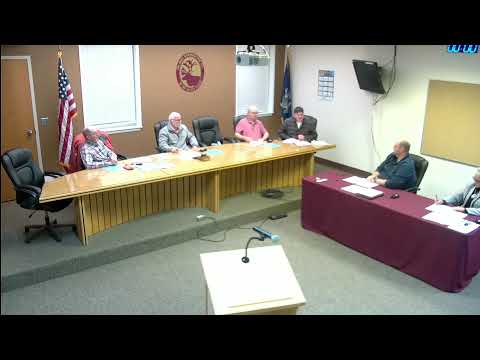
Caribou Utilities District cites unplanned repairs and loan timing for October budget shortfalls
Summary
The Board of Trustees of the Caribou Utilities District reviewed the district’s October financial reports, identifying a $14,000 emergency VFD replacement, roughly $10,000 in pavement repairs after winter leaks and an unplanned single-audit charge as principal drivers of a water‑side overage.
The Board of Trustees of the Caribou Utilities District reviewed the district’s financial reports for the period ending October 2025 and accepted the statements after discussion of unplanned costs and reserve movements.
John (Speaker 1), who presented the department reports, said a failed variable-frequency drive required an unplanned $14,000 replacement to keep a pump running. "So, if you take the 14,000 out, it puts us closer to where we should be for this time of year," John said, noting the VFD was an emergency replacement.
He also described roughly $10,000 in pavement work after numerous winter water leaks and a spike in replacement-parts purchases to respond to those leaks. Accounting services produced an unbudgeted charge when the district required a single audit this year; staff had not planned for that expense in the current budget.
Board members asked about reserve balances after staff explained a timing issue on the jet-truck loan. John said federal funds were prepaid and that prepayment started the loan repayment schedule earlier than expected; cash sitting in the account to pay for the truck then moved out when the invoice arrived, contributing to a visible drop in capital reserves.
The board discussed whether to adjust next year’s budget to allow for occasional one-off costs or to continue explaining overages as they occur. Staff said they prefer budgeting to expected levels and explaining one-off overages rather than inflating every line item.
The board voted to accept the October financial statement (voice vote; no roll-call tally recorded in the transcript). Next steps: staff will resend full account detail printouts for members who had truncated copies and draft budget-line recommendations for the coming fiscal year.