County appraiser warns big-box property tax appeals could expose taxing units to large liabilities
Loading...
Summary
Douglas County appraiser Brad Eldridge told commissioners the county defends most appeals but is facing a backlog of commercial appeals, noting big-box cases and other pending matters could translate into large potential tax-loss exposure across taxing districts — he estimated a rough $809.1 million figure for requested reductions.
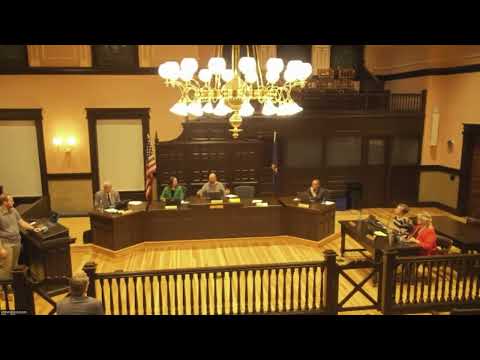
Lawrence, Kan. — Douglas County’s appraiser briefed the commissioners on Nov. 12 about the county’s property tax appeals, the structure of appeals to the Kansas Board of Tax Appeals (BOTA), and the staffing and fiscal risks posed by large commercial cases.
Brad Eldridge, the county appraiser, explained the three levels of appeal: local informal appeals after March value notices, the payment-under-protest option tied to tax payments in December/May, and the supplemental third-party appraisal option introduced about five years ago. He said a residential third-party appraisal typically costs about $500; commercial appraisals commonly cost $2,000–$5,000 and can reach $10,000 for complex properties.
Eldridge said Douglas County sees roughly 800 parcels appealed per year out of about 42,000 total parcels (about 1–3 percent), and that the county’s adjustment ratio runs about 50 percent for spring informal hearings and about 75 percent for payment-under-protest hearings. "We've had above 80% success rate in defending our values," he said, describing recent wins in district court.
But Eldridge warned of concentrated commercial litigation. He described multiple large appeals by big-box retailers and commercial property owners, citing Walmart and Dillon's among examples. "That accounts for between all taxing units, $809,100,000 dollars of potential tax loss if they get exactly what they're asking for," he said, emphasizing that interest and compounding on multi-year refunds can significantly increase fiscal exposure for taxing jurisdictions.
Commissioners asked whether retailers that received tax incentives later appeal their property values; Eldridge cited Berry Plastics as an example of a property that had a 10-year incentive and appealed after returning to the tax roll. Staff explained that neighborhood-revitalization rebate language may freeze rebates while appeals proceed but cannot eliminate an entity’s right to appeal.
On where liability comes from if the county loses an appeal, staff and commissioners agreed the refund and interest calculations are complex and often handled through tax distribution processes and clearing accounts before appearing in the county budget; staff offered follow-up with the treasurer for precise accounting.
Eldridge recommended monitoring pending appellate matters and legislative proposals that could change filing fees or BOTA’s process; he said some proposed bills could limit county liability for interest when taxpayers do not provide substantiating documentation within a year.
What’s next: Eldridge will monitor BOTA cases and statewide proposals; staff offered to follow up with the treasurer’s office on how refunds and interest are accounted for in county budgets.