Borrowers and industry urge automatic IDR enrollment, warn about new repayment design
Loading...
Summary
Borrower advocates, service providers and employers told the Education Department that automatic enrollment in income‑driven repayment and stronger rehab protections could reduce re‑defaults, while borrowers warned proposed caps and payment calculations risked cutting graduate access and worsening workforce shortages.
Speakers at the Department of Education listening session urged policies to reduce delinquencies while protecting vulnerable borrowers.
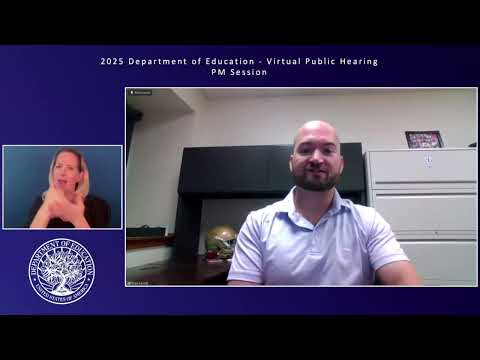
Dan Macklin, president of Summer, urged automatic enrollment: “Whenever the department has verified income for borrowers who are struggling, it should auto enroll that borrower in the lowest payment IDR plan unless the borrower opts out,” he said, arguing automation reduces forms and charge‑offs. Macklin also recommended that rehabilitated loans automatically enter IDR to prevent immediate re‑default, and proposed a borrower‑consented data channel so employers and partners can retrieve repayment data securely.
Betsy Mayotte of the Institute of Student Loan Advisors raised operational concerns about recent changes to the loan‑rehabilitation process, asking that any use of expenses to lower rehab payments not leave borrowers worse off after rehab. “Allowing a rehab payment to be lowered based on expenses…would set the borrower up to redefault,” she said, and requested that borrowers who pay loans in full during rehab still receive rehab benefits or be given a payment schedule that preserves those benefits.
Borrower advocates described acute impacts from the newly enacted borrowing limits. Samir Hassan, a borrower and advocate, called the law a “dream killer,” saying caps and repayment changes make graduate education unaffordable for many first‑generation students and those without intergenerational wealth.
Employers and benefits administrators warned certain payment designs could worsen shortages in public‑service fields. Emeka Ogoo, CEO of PeopleJoy, said a proposed RAP payment calculation that does not adjust for family size or regional cost of living could penalize teachers and health‑care workers and push some borrowers toward private loans that disqualify them from Public Service Loan Forgiveness (PSLF).
Why this matters: Changes to repayment plans and rehabilitation rules will determine who can afford higher education and how quickly borrowers can regain good standing. Witnesses urged the department to pair simplification with safeguards so reforms do not increase re‑defaults or reduce access to public‑service careers.
What happens next: The department will accept written comments and proceed with negotiated rulemaking; witnesses said they will submit technical recommendations on auto‑enrollment algorithms, rehab‑payment floors, and data‑sharing specifications.