
Witnesses urge clarity for bill to let clinicians provide medically prescribed supports in Michigan schools
Get AI-powered insights, summaries, and transcripts
Subscribe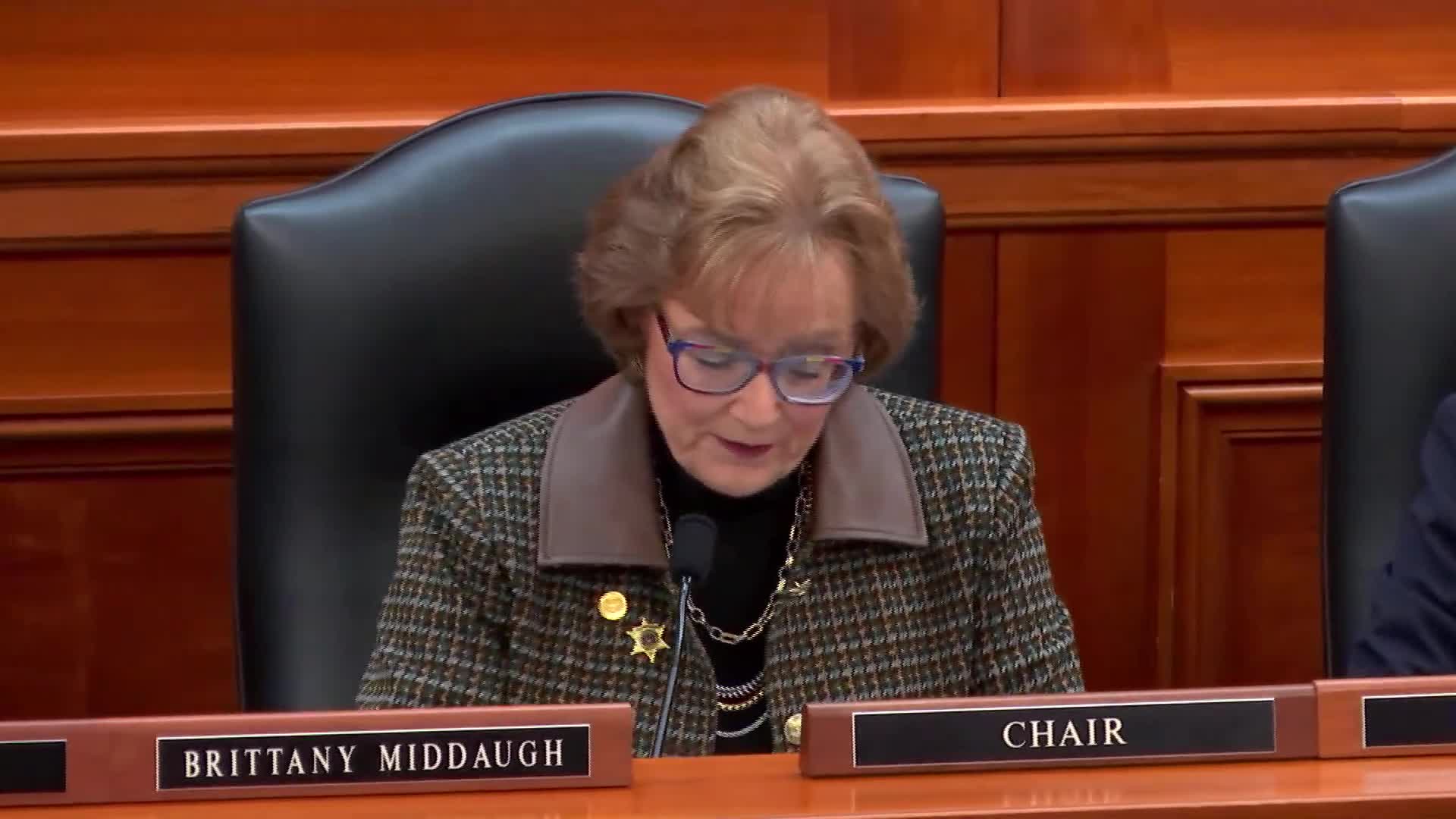
Summary
Supporters told the House Education and Workforce Committee HB 5044 would let clinicians provide medically recommended services (chiefly ABA from BCBAs) inside public schools to keep students in the least restrictive environment, while some lawmakers urged tighter language on “medically necessary” definitions and scope.
Lansing — Supporters of House Bill 5044 told the Michigan House Education and Workforce Committee on Nov. 11 that the bill would remove barriers preventing privately recommended, medically necessary treatments from being delivered in school settings, enabling collaboration between school staff and outside clinical providers.
Heather Eckner, statewide director of education for the Autism Alliance of Michigan, testified that the bill is intended to expand access to evidence-based interventions — primarily applied behavior analysis (ABA) delivered by Board Certified Behavior Analysts (BCBAs) — so students can remain with non-disabled peers in their least restrictive environment. "The intent of this policy is to open up this access, so that these artificial barriers can't continue to be in the way of kids with needs," Eckner said.
The bill sits alongside existing federal and state education obligations. Eckner noted that schools must comply with the Individuals with Disabilities Education Act (IDEA) and Michigan administrative rules (MARS) governing IEPs, while HB 5044 would address reasonable accommodations under the Americans with Disabilities Act when services are prescribed by a private health-care specialist.
Committee members thanked Eckner for a personal account of seven years of ABA supports for her son, which she said were delivered in natural settings and did not require pulling him out of general-education classrooms. "For seven years, he had ABA services and that was never even like anything that was contemplated," she said, adding that properly integrated BCBA work should be unobtrusive and benefit the whole classroom.
Several lawmakers raised questions about statutory precision. Representative Weiss said he supported the bill's purpose but expressed concern that the text leaves "medically necessary" undefined and treats a "recommendation" differently from a prescription, which could broaden interpretation. Eckner said the Autism Alliance would work with lawmakers to tighten language and limit the bill to evidence-based interventions grounded in the ABA research base.
School associations and disability-rights organizations also signaled mixed positions: the Michigan Association of Superintendents and Administrators filed opposition (no speaker), while the Michigan Disabilities Rights Coalition filed opposition (no speaker). The clerk read cards indicating teachers had submitted letters in favor of having additional in-classroom supports available to help manage classroom demands.
Eckner and other witnesses said that informal mechanisms — MOUs or verbal agreements — have allowed outside clinicians to assist in some districts but leave access contingent on individual administrators and families who can navigate the system. She warned that relying on such informal arrangements creates inequity for families without knowledge, transportation, or advocacy resources.
The committee did not take a vote on HB 5044 at the hearing. Eckner emphasized she supports clarifying language to ensure the bill applies to clinically indicated interventions and preserves the primacy of IEP decision-making: "If we need to tighten up the language of the policy, I think the position of the Autism Alliance of Michigan would be we can make this very clear." The committee is expecting additional testimony from state agencies and other stakeholders at future meetings.