Get Full Government Meeting Transcripts, Videos, & Alerts Forever!
Get email alerts on the Disability Services topic
No spam. Unsubscribe anytime.
ARC Baltimore presenter outlines housing, transportation and workforce gaps for people with developmental disabilities
Summary
An ARC Baltimore official told the Baltimore County Human Relations Commission that accessible housing, safe sidewalks, reliable mobility transportation and a shortage of direct support professionals remain major barriers for people with developmental disabilities.
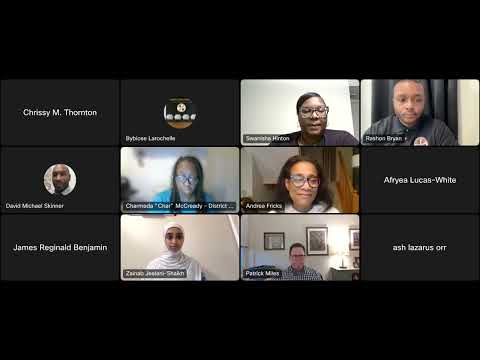
Swanisha Hinton, vice president of quality enhancement at ARC Baltimore, said people with intellectual and developmental disabilities still face multiple, interconnected barriers to full community inclusion, and outlined practical obstacles and supports.
Hinton recalled the era of large institutions and referenced the Rosewood Center’s closure, noting lingering trauma among residents who were transitioned. "Leaving the past behind means no longer asking if people with disabilities belong, but ensuring they lead the way," she said as part of the presentation framing.
Hinton highlighted four primary challenges: a scarcity of accessible, affordable housing and in-unit accommodations; problematic public infrastructure such as cracked or unmaintained curb cuts and sidewalks that hamper mobility-device travel; transportation delays that sometimes force supported people to spend two to three hours on trips that should take 30 minutes; and shortages of direct support professionals, which lead to high turnover and inconsistent care.
On post-institutional supports, she described individualized transition plans with psychological and behavioral assessments, external case managers, nursing supports and 60-day check-ins designed to gauge integration and service adequacy. Hinton said ARC conducts regular surveys and uses self-advocacy groups to monitor satisfaction and adapt services.
Commissioners asked practical follow-ups: whether quality-of-life improvements are observable (Hinton: yes), what short-term support the commission can provide (her answer: partner with organizations, increase community welcome and inclusion), and where funding constraints—particularly Medicaid waiver changes—are limiting services. Hinton noted some services are considered Medicaid optional and changes to waivers can restrict access to supports previously available.