Joint Education Committee advances Hathaway lump‑sum scholarship draft
Loading...
Summary
The Joint Education Committee approved a committee draft to convert Hathaway awards into a lump‑sum payment that removes the 8‑semester cap, limits use to tuition and fees and sets a July 1, 2026 effective date. Lawmakers debated fiscal timing, reserve protections and student flexibility before a 7‑6 committee sponsorship vote.
The Joint Education Committee on Nov. 13 advanced 26LSO0094, a committee draft that would change the Hathaway merit scholarships from semester payments to a single lump‑sum disbursement and alter how and when students may use the awards.
LSO operations administrator Tanya Hytrich told the committee the draft returns the eligibility window to six years, eliminates the prior 20‑year use period and removes the eight‑semester limit. Under the proposal, scholarship funds would be limited to tuition and fees; many reporting and satisfactory academic progress provisions were left unchanged or rescinded where obsolete. The bill sets an effective date of July 1, 2026.
The committee’s fiscal and policy discussion focused on the short‑term cash‑flow and budgetary implications of front‑loading awards. Matt Hill, providing treasury/fiscal office analysis, said converting to lump‑sum payments would “expend more dollars upfront” and that a formal fiscal note would be required to estimate costs precisely. Hill reviewed Hathaway corpus and reserve figures, noting the corpus had recently been reported in the high‑hundreds of millions and a reserve account around $54.9 million.
Supporters argued lump‑sum payouts would give lower‑tiered recipients needed flexibility — for example, students seeking certificates or apprenticeships who cannot easily use semester‑based awards. Skeptics warned the change could increase near‑term expenditures, creating a cash‑flow spike for two to three years while patterns of use adjust.
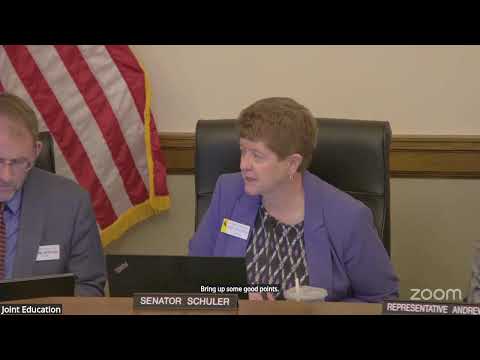
There were no public comments for this bill at the hearing. After discussion, the committee took a roll‑call sponsorship vote; the clerk recorded seven Aye votes, six No votes and one excused member. The chair announced the bill passed the committee for sponsorship in the 2026 session.
What happens next: Because the vote was on sponsorship, the bill will proceed through the Legislature’s bill‑draft/fiscal processes with a required fiscal note if the committee or a sponsor advances it to the general file.
Sources and next steps: The committee record shows the chair asked staff to coordinate fiscal detail and implementation questions with the Department of Education and the treasurer’s office before floor consideration.