Get Full Government Meeting Transcripts, Videos, & Alerts Forever!
Get email alerts on the Housing Mobile Home Rents topic
No spam. Unsubscribe anytime.
Mount Shasta council directs staff to investigate mobile‑home rent hikes after residents testify to steep increases
Summary
Following public testimony from mobile‑home residents and managers, the council voted to direct staff to gather baseline data and research state rules after residents reported large annual increases and new utility fees that they say make formerly affordable lots unaffordable.
Mount Shasta city councilors instructed staff to gather facts about rent increases at local mobile‑home parks after several residents described steep hikes and new utility charges that they say pushed housing costs beyond what many long‑term residents can afford.
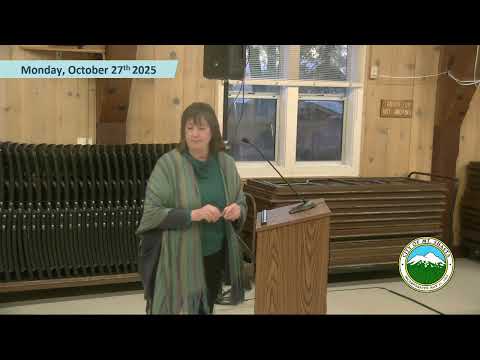
During public comment, a resident who lives in the Shasta Veritas Mobile Home Park said ownership has changed and ‘‘we've seen steep increases and confusing utility fees’’ that mean for many seniors ‘‘housing now consumes more than half of what we earn.’’ Richard Farway, who identified himself as a resident of Space 9 at the same park, said the lot rent rose from $484.18 to $572.28 after the new owners took over and that the operator began listing a separate water utility fee despite the park using private wells.
City staff framed the item as an exploratory update. Todd (staff member) said he had received complaints and ‘‘a breakdown of rent increases’’ and recommended that staff look into the complaints and return with recommendations. Councilmembers repeatedly emphasized that the first step must be numerical: collecting historical rent and fee schedules, ownership records and documentation of what was previously included in rent.
Councilmember Jeffrey (councilmember) said he lacked enough information to judge policy choices and urged ‘‘step 1, which is the numbers instead of adjectives.'' Several councilmembers noted that California regulations limit most annual mobile‑home rent increases to 10 percent, a rule raised repeatedly during discussion as a comparison point but not introduced as a formal legal finding by staff.
After public input and council discussion about process and workload, a motion to direct staff to ‘‘gather facts regarding this particular situation — both sides of the equation and gather more facts regarding state regulations with respect to rentals’’ passed by voice vote. Council indicated that planner Kim Fowler and city staff would compile the baseline numbers, compare leases and fee histories, confirm applicable state rules and report back with options, including whether the city should pursue an ordinance more protective than state law.
The council did not adopt a moratorium or local rent cap at the meeting; members said such policy choices would require a more extensive findings process and public hearings. Residents urged prompt action; council members responded that collecting and verifying the underlying records (ownership, leases, fee history and past rent levels) is necessary before drafting local regulation.
Clarifying details from testimony: the example lot‑rent figures given in public comment were $484.18 (previous) and $572.28 (current), and residents reported an added water utility charge of about $18.50 per month that had not been billed separately before (source: Richard Farway and other residents). The council also referenced a commonly cited 10% annual cap in California discussion of mobile‑home rent increases; staff will verify the exact statutory/regulatory citation and applicability to Mount Shasta.