Get Full Government Meeting Transcripts, Videos, & Alerts Forever!
Get email alerts on the Economic Development topic
No spam. Unsubscribe anytime.
Planning Commission finds Hallbrook North TIF project plan consistent with comprehensive plan
Summary
The commission determined the Hallbrook North tax‑increment financing (TIF) project plan is consistent with the city comprehensive plan, one required statutory step before council holds its public hearing on incentives. Commissioners discussed reimbursement caps, district boundaries and how the project’s projected $765 million buildout generates an
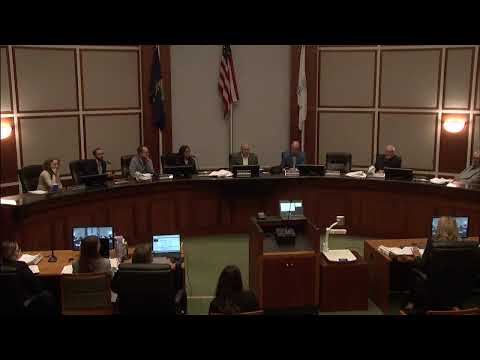
The Leawood Planning Commission on Oct. 28 voted to find the Hallbrook North tax‑increment financing (TIF) project plan consistent with the city’s comprehensive plan, fulfilling a state‑statute requirement before the governing body proceeds with incentive hearings.
Senior staff explained the role of the commission is limited to a consistency determination, similar to the commission’s review of capital improvement and rezoning proposals. “State statute does require that any TIF project plan come before the planning commission for determination of consistency with the city's adopted comprehensive plan,” Michelle Hurley told the commission.
City Administrator Diane Stoddard and bond counsel Kevin Wimpey described the financial framework and statutory findings. Wimpey said the council had already made a blight finding (one statutory pathway) based on the fact that a majority of the proposed TIF district is located within a 100‑year floodplain. Staff summarized the estimates in the TIF materials: total redevelopment cost for the district was shown at about $765 million, with potential reimbursable project costs (land acquisition, infrastructure, structured parking and similar eligible items) estimated up to $220 million. Stoddard noted the city’s expected share of captured increment would be 5% under the draft plan.
Wimpey emphasized the legal framework: TIF funds are generated by new taxable value created by the project and can be used only within statutory confines. If the developer’s revenues do not materialize, there is no requirement for the city to make up the difference beyond what the ordinance and development agreements provide.
Commissioners asked for clarification on exhibits and reimbursement exhibit G (staff supplied the missing exhibit during the hearing) and stressed that the governing body will need to nail down caps and performance conditions in any development agreement.
The commission’s finding of consistency does not itself award incentives; it is a procedural, statutorily required step that allows the governing body to advance the TIF process. The governing body will take subsequent public hearings and decide whether to approve the TIF district, any reimbursement caps and the development agreement terms.
Vote: Motion to find the Hallbrook North TIF project plan consistent with the intent of the comprehensive plan was moved and seconded and passed unanimously.