Get Full Government Meeting Transcripts, Videos, & Alerts Forever!
Get email alerts on the Public Health topic
No spam. Unsubscribe anytime.
Researchers say Philadelphia's beverage tax cut taxed-beverage purchases and shows early health improvements
Summary
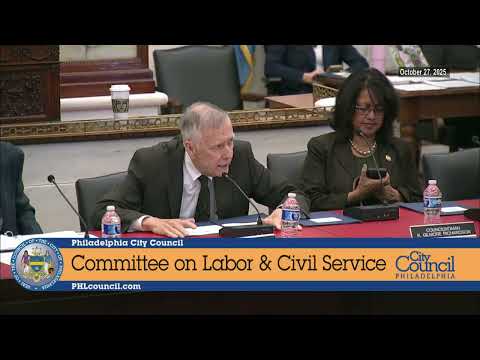
Researchers who studied Philadelphia's 2017 beverage tax told the committee they observed sharp drops in taxed beverage sales and traceable improvements in child dental outcomes and small declines in obesity for low-income populations; they urged council to weigh systematic evidence alongside industry claims about jobs.
PHILADELPHIA ' Academic witnesses told the Council committee that empirical analyses of the city's sweetened beverage tax show substantial reductions in taxed-product purchases and measurable, if modest, health benefits.
Christina Roberto, a health-policy professor at the University of Pennsylvania, summarized multiple studies and her team's analyses, saying retail-transaction data indicate a roughly 35% decline in the sale of taxed beverages that persisted in the two years her data covered. Roberto testified that she and colleagues matched retail declines with health records and dental data: "We saw a 30 percent reduction in cavities among children, a 22 percent reduction among adults, not in the overall sample, in the Medicaid population only," she said.
Roberto emphasized method and scope. The research compares Philadelphia to demographically similar places without a beverage tax and controls for cross-border shopping. She told the committee that her unemployment-claims analysis found no detectable increase in unemployment in affected industries in the year after the tax.
The committee asked researchers to expand analyses over a longer horizon and to reconcile findings with industry and union claims about employment losses. Andrea Councilmembers said the city needs both economic and health accounting: reduced disease prevalence may produce later fiscal savings, while industry and labor ask for near-term mitigation for businesses and workers.
Why it matters: Local public-health and budget trade-offs are central to whether city leaders maintain the beverage tax in its current form. The academic evidence presented supports the tax's health rationale, but the city and committee asked for complementary longer-term economic analysis and reconciled employment data before drawing policy conclusions.
Sources: Christina Roberto, University of Pennsylvania (testimony); committee questioning and follow-up requests.