Get Full Government Meeting Transcripts, Videos, & Alerts Forever!
Get email alerts on the Special Assessments topic
No spam. Unsubscribe anytime.
Council directs staff to draft special‑assessment deferral policy after residents describe large bills
Summary
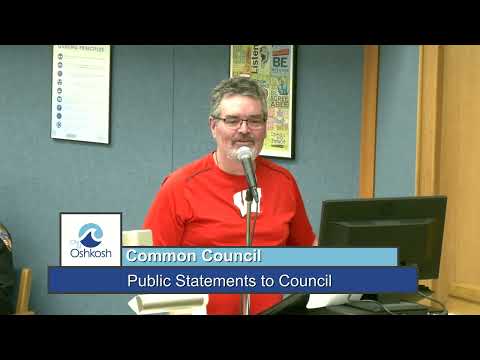
Following public testimony from multiple Claryville/Clearville Road residents who said special assessments reached tens of thousands of dollars, the council Oct. 28 directed staff to prepare an ordinance to allow deferrals for residential and agricultural properties and return with more detailed policy language.
The Oshkosh Common Council on Oct. 28 instructed staff to prepare a special‑assessment deferral policy after residents from Claryville/Clearville Road and committee members described large, sometimes six‑figure, special assessments tied to utility extensions.
Long Range Finance Committee member Adam Balcarelli presented committee discussions, saying the group focused on two parts of the problem: (1) spreading large assessment payments over time when possible, and (2) lowering assessment amounts overall. Committee members recommended allowing deferral eligibility for residential and agricultural properties; staff noted state public service commission rules constrain how water and sewer extensions can be funded and that special assessment methodology is governed by past practice and PSC guidance.
Several residents described individual assessment totals they said ranged from about $25,000 to over $140,000. One resident said assessments make it difficult to afford routine home maintenance and education expenses. Council members discussed cash‑flow implications for the city and utilities and the need to balance ratepayer protections with fairness to property owners. Council gave direction to staff to draft the ordinance language incorporating the committeerecommendation (residential and agricultural eligibility) and return at a future meeting.
Staff noted the deferral would be time‑limited and tied to debt terms (city typically spreads utilities debt over up to 20 years) to avoid indefinite deferrals that could strain cash flow.