District reports growth in dual and concurrent enrollment, says programs saved families $3M in one year
Summary
District officials reported expanded dual and concurrent enrollment, new industry certifications and an impact report showing increased college credits and an estimated $3 million in family savings; board members asked for post‑graduation hiring data and sustained funding.
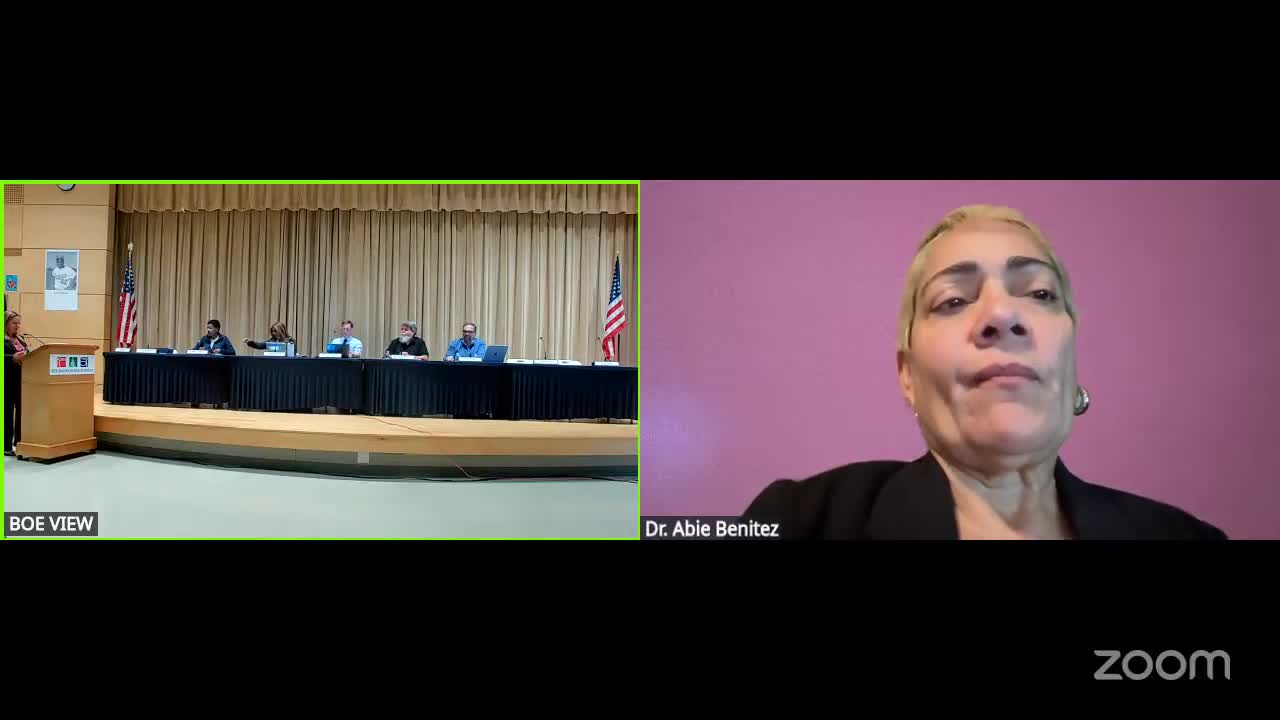
The New Haven Board of Education heard a comprehensive update on the district’s college and career pathways, including accelerated growth in concurrent enrollment, expanded certification programs such as CNA and EMT, and a district estimate that students’ earned college credits saved families just over $3 million in the last year.
Dina Nardolino, Supervisor of College and Career Pathways, told the board the office is pursuing three measurable goals: increase the graduation rate, improve ninth‑grade on‑track rates and grow dual‑credit participation. “We have saved families over $3,000,000 in 1 year in the cost of college credits,” Nardolino said, describing separate tallies for dual enrollment (on college campuses) and concurrent enrollment (college courses taught on high‑school campuses by approved teachers).
Nardolino reviewed data showing concurrent enrollment sections grew from 16 approved classes in 2021–22 to 81 offered sections, with nearly 96 approved courses overall; the district also reported a notable rise in industry credentials and certifications in health pathways. She said the district’s pathway students have earned 1,685 college credits and 114 industry‑recognized credentials, and that pathway families saved about $2.3 million; district‑wide dual/concurrent programming contributed to a total savings above $3 million.
Board members praised the progress and pressed for additional outcome tracking. Dr. Joiner said the district should pair the data with a public relations strategy so families and community partners can see results. Several members requested workforce outcomes data: after a student completes a pathway or earns a credential, who hires them and how many enter the field they trained for. Nardolino said the office is working to expand internships and pre‑apprenticeship programs and to improve middle‑school exposure to career pathways so students can make informed course and school selections earlier in their academic career.
Superintendent Negron and staff emphasized sustainability concerns: some expansions have relied on grants and city funding, and leaders are pursuing broader partnerships and revenue to maintain programming. Board members commended staff for the increase in persistence and graduation indicators and encouraged continuing community and employer engagement to translate coursework and credentials into local hires.