Get Full Government Meeting Transcripts, Videos, & Alerts Forever!
Get email alerts on the Zoning Small Livestock topic
No spam. Unsubscribe anytime.
Bellbrook to survey residents on proposed backyard‑chicken rules
Summary
Bellbrook staff will publish an online public survey to gather resident input on a proposed small‑livestock ordinance covering backyard chickens and related rules.
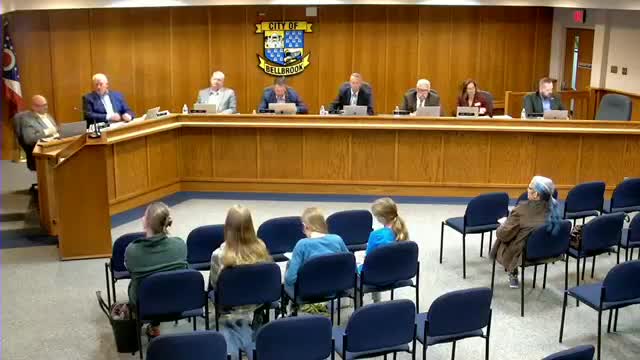
Bellbrook city staff told the council on Oct. 27 that they will publish a public survey to gather resident sentiment on a draft small‑livestock ordinance intended to define and set conditions for backyard chickens and similar smallfowl.
City Manager Rob said the draft survey was simplified by an outside consultant to focus on the core question (whether small livestock should be permitted under defined conditions) while still allowing open‑ended responses. The survey will include a short, plain‑language synopsis and a link to the full draft ordinance for residents who want to read the legal language.
Council members and staff discussed the survey design and outreach. Staff said the survey will be distributed mainly electronically (city website and social media) but that staff will do targeted outreach if certain demographic groups are underrepresented; staff also said there will be manual input options for residents who cannot or prefer not to submit electronically. The demographic questions are intended only to validate sampling (age group, property type, length of residence and location) and not to weigh or exclude responses.
Council and staff said they will report the results back to council after the survey period and use the feedback to inform any proposed ordinance changes. No vote was taken; the council agreed to proceed with publication of the survey and reporting the results to council.
What happens next: staff will finalize the survey in the city—s survey tool, publish it online with a synopsis and link to the draft ordinance, monitor response representativeness and perform targeted outreach or manual collection if needed, then return results and analysis to council.