Get Full Government Meeting Transcripts, Videos, & Alerts Forever!
Get email alerts on the Agricultural Protection topic
No spam. Unsubscribe anytime.
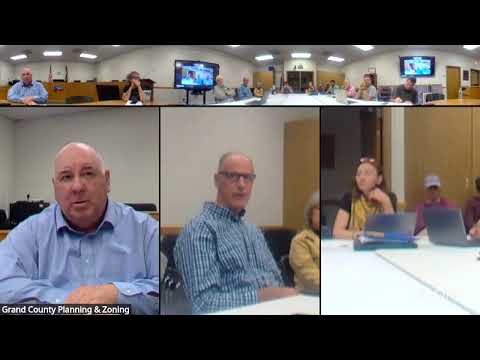
Commission discusses Agricultural Protection Areas; questions on scope, "sound agricultural practices," pesticides and acreage
Summary
The planning commission discussed a draft Agricultural Protection Area ordinance that would allow voluntary protection for farms and ranches; state and local agricultural officials answered questions about acreage thresholds and protections for normal farm activities.
The Planning Commission discussed a draft Agricultural Protection Area ordinance intended to protect farms and ranches by allowing landowners to designate areas that would be identified as agricultural protection areas (APAs), require a notice on new subdivision plats within a set distance, and provide protections for normal agricultural activities.
Andrew introduced the ordinance framework and described required elements under state code, including an advisory role for the conservation district and a 20‑year review period. Jay Olson of the Utah Department of Agriculture and Food explained that many counties adopt APA ordinances and that committee composition and acreage thresholds are local decisions; he reported there are thousands of APAs recorded statewide and that small‑acre, high‑value operations such as cut‑flower production can be economically productive on parcels of an acre or fewer.
Commissioners and attendees raised multiple questions: who determines what qualifies as “sound agricultural practices” (county authorities, conservation district, or state guidance); how pesticide application near populated areas would be regulated; whether aerial application protections or buffer standards are needed; and how long a landowner’s enrollment should persist if operations cease (examples discussed ranged from one to two years of inactivity before losing protections). Participants suggested the conservation district could serve as the APA advisory group and recommended a workshop with the County Commission, conservation district, and UDAF to hash out details before a public hearing.
No formal action or vote was taken; staff was directed to schedule further outreach and a workshop to explore the ordinance details and cross‑jurisdictional issues (Spanish Valley neighbors and other special districts were specifically noted for future coordination).