Get Full Government Meeting Transcripts, Videos, & Alerts Forever!
Get email alerts on the Family Services topic
No spam. Unsubscribe anytime.
Hooksett reduces town welfare line to $58,000 amid steady client demand
Summary
Family Services Director Trish Caruso presented a $145,866 budget that trims the town welfare line from $68,000 to $58,000, citing lower recent utilization and increased referrals to outside agencies.
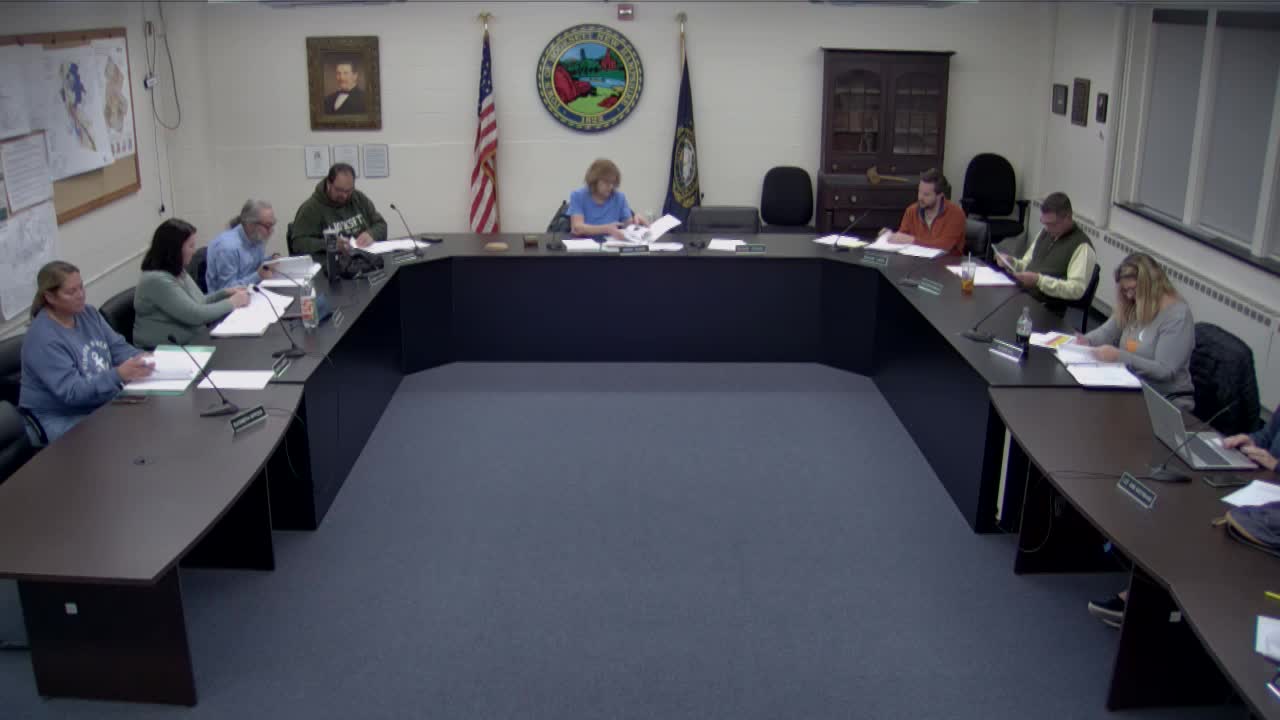
Family Services Director Trish Caruso told the Hooksett Budget Committee on Nov. 3 that the department’s proposed budget is $145,866, a decrease of $8,777 (5.68%) from the prior year.
"This is, actually reduced by $8,777 for, a decrease of 5.68," Caruso said when presenting the budget. The largest single change discussed was a $10,000 reduction in the town welfare line, from $68,000 to $58,000, which the director said reflects recent utilization and successful referrals to partner agencies.
Caruso explained the department’s approach is case‑management intensive. She said a recent client in rent arrears had $12,040 secured from other agencies, reducing reliance on town funds. "The average appointment for my office is a 2 hour appointment for people to to apply," she said, describing the staff time required to connect residents to state, federal and nonprofit resources.
Committee members pressed the office on whether fewer payments reflect lower need or underuse because residents do not know how to apply. One member noted the school district sees low take-up of eligible programs for reasons of awareness or paperwork. Caruso said the office receives roughly 10 new contacts per week and that many requests are routed to longer-term resources rather than immediate town payments.
Members also asked about winter demand and whether the reduction risks leaving the town short during peak months. Caruso and the town administrator urged caution about further cuts: federal program changes and seasonal spikes could increase demand unexpectedly.
Other services discussed: community transportation (the town pays roughly 20% of trip costs for the Manchester-area shared transportation program) and Community Action fuel assistance, which the director said remains the primary source for heating-season help. Caruso described the department’s payment practice: checks are typically issued directly to vendors (landlords or utilities) rather than to clients.
What’s next: The committee accepted the budget presentation and asked staff to monitor demand and report back if new federal funding changes materially affect local need.