Get Full Government Meeting Transcripts, Videos, & Alerts Forever!
Get email alerts on the Digital Identity topic
No spam. Unsubscribe anytime.
State updates work on a state-endorsed digital identity framework; emphasis on rights, parental control and reciprocity
Summary
State IT leaders briefed the Government Operations Interim Committee on progress toward a state-endorsed digital identity framework: the office plans to present a rights‑focused plan that treats identity as inherent to individuals and the state as endorser and protector, not issuer.
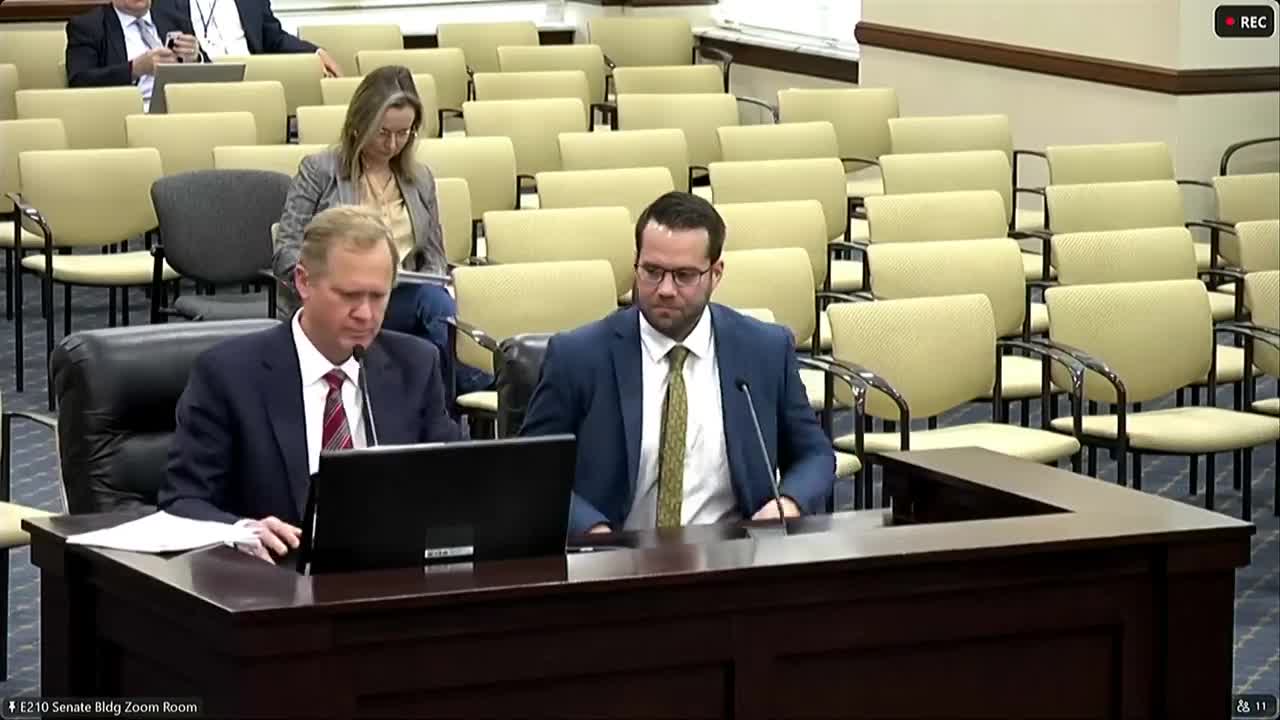
State CIO Alan Fuller and state Chief Privacy Officer Chris Bramwell updated the committee on implementation work for a state-endorsed digital identity program required by SB 260.
Presenters emphasized a model in which identity is inherent to the person and the state serves as an endorser and protector rather than an issuer of identity. The office contrasted that approach with models in which government-issued digital IDs are the norm, saying the latter can create a risk that identity (and access) could be removed if controlled by government.
The presenters said priorities for the program will include protecting constitutional rights, safeguarding children and vulnerable populations, and ensuring individual control and parental delegation. Officials also emphasized that digital identity is critical infrastructure that must be highly secure; they said cross‑state reciprocity is an essential consideration so credentials can be accepted between states and that agencies must plan for recovery if cryptographic keys are compromised.
The office said it received extensive responses to a public request for information, is convening a multi‑state summit (SETI summit) and plans to return with a proposed set of program requirements to the legislature in November. Stakeholders consulted include privacy groups, civil-liberties organizations, blockchain coalitions and industry experts.
Next steps: The administration will finalize proposed requirements, continue stakeholder outreach, and present draft statutory and policy recommendations to the legislature before the session.