Get Full Government Meeting Transcripts, Videos, & Alerts Forever!
Get email alerts on the Fair Housing topic
No spam. Unsubscribe anytime.
Advocates urge blanket removal of racially restrictive covenants from deeds to acknowledge and repair historic exclusion
Summary
Housing advocates, including Harbor Light Homes, NAACP allies and CHAPA, urged passage of H.1762/S.1080 to remove void racially restrictive covenants from deeds statewide. Witnesses described a local "dirty deeds" mapping project that found hundreds of such covenants and argued a statutory remedy would be faster and more equitable than requiring
Advocates told the Joint Committee on the Judiciary that H.1762/S.1080, which would remove void racially restrictive covenants from property records, is an overdue statutory fix to a persistent reminder of historic exclusion.
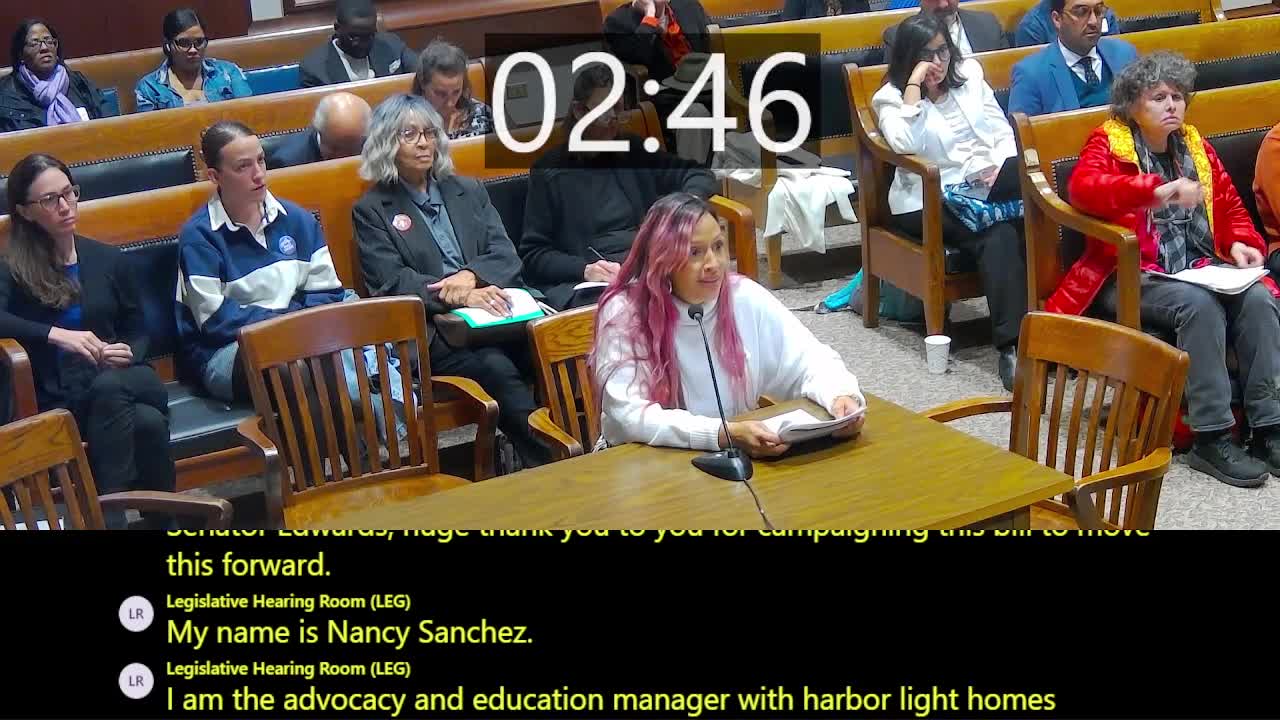
"Removing these void restrictive covenants is more than a symbolic act," said Nancy Sanchez of Harbor Light Homes. She described the "dirty deeds" mapping project, which identified more than 400 restrictive covenants in a limited North Shore area and urged blanket statutory removal rather than relying on individual homeowners to pursue deed corrections.
Matt Royce of the Citizens' Housing and Planning Association (CHAPA) said the proposal aligns with recent state actions to strengthen fair-housing enforcement and that Massachusetts should continue to demonstrate its commitment to fair housing by removing offensive language from public records while preserving the historical record through other means.
Witnesses argued the state can and should act centrally so affected homeowners do not have to shoulder the research and legal costs of cleansing records individually, and to acknowledge the Commonwealth's history.
Ending: Supporters asked for a favorable report and said the bill would be another step in Massachusetts' fair-housing and equity work; committee members did not take a vote at the hearing.