Get Full Government Meeting Transcripts, Videos, & Alerts Forever!
Get email alerts on the Opl Er Sunrise topic
No spam. Unsubscribe anytime.
Business and Labor panel directs standing committees to consider OPLER reviews before new licensure bills
Summary
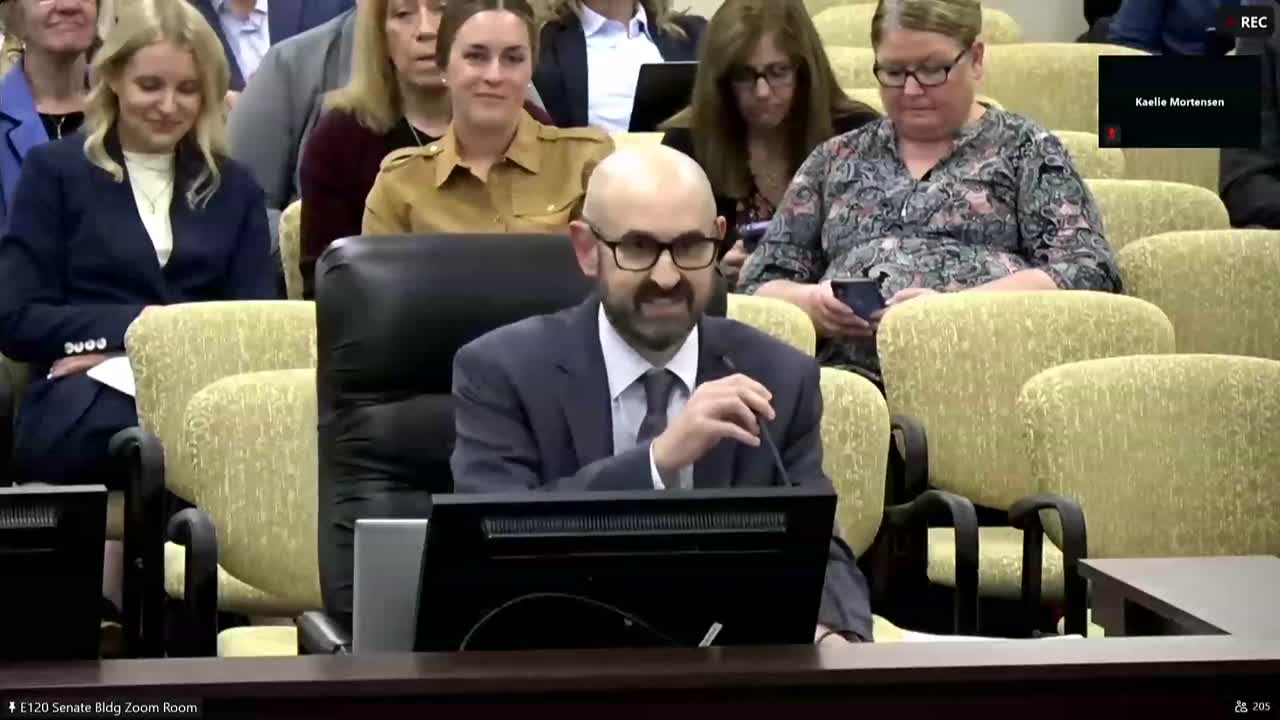
The Business and Labor Interim Committee voted Oct. 15 to direct standing committees considering new licensure bills to consider recommendations from the Office of Professional Licensure and Regulation (OPLER).
SALT LAKE CITY — The Business and Labor Interim Committee voted Oct. 15 to direct standing committees considering new occupational licensure to consider recommendations from the Office of Professional Licensure and Regulation (OPLER).
The committee substituted language for an existing statute that had required individual legislators to submit a sunrise application to OPLER before filing a bill to regulate an occupation for the first time. OPLER director Jeff Shumway told the committee that the statutory "shall" placed the executive-branch office in an enforcement role over legislators and created separation-of-powers and practical problems.
The substitute motion instead requires the standing committee that receives the bill to consider OPLER comments and recommendations. Committee members debated alternatives — repeal of the statute, changing "shall" to "may," or leaving enforcement to OPLER — before adopting the substitute motion. Representative Michael J. Kyle argued for repeal, saying the legislative process already encourages consultation; others favored a committee-based "speed bump" so lawmakers and sponsors pause to consider regulatory impacts.
A roll-call was conducted. Senators and representatives recorded their votes; the chair announced the substitute motion passed after one member altered a recorded vote. Committee staff will draft specific statutory language for the bill file and return with a proposed bill for the committee.
Why it matters: The change re-centers responsibility for early consultation on the legislative committee process rather than imposing a binding procedural requirement directly on individual bill sponsors and reduces the perception that OPLER would police legislators— behavior.
What the committee asked for next: Staff were directed to prepare bill language reflecting the substitute motion and bring a draft back to the committee.