Get Full Government Meeting Transcripts, Videos, & Alerts Forever!
Get email alerts on the Creative Spaces Public Art topic
No spam. Unsubscribe anytime.
Arts advocates back Creative Space Act and PLACE Act to preserve studios and expand public art
Summary
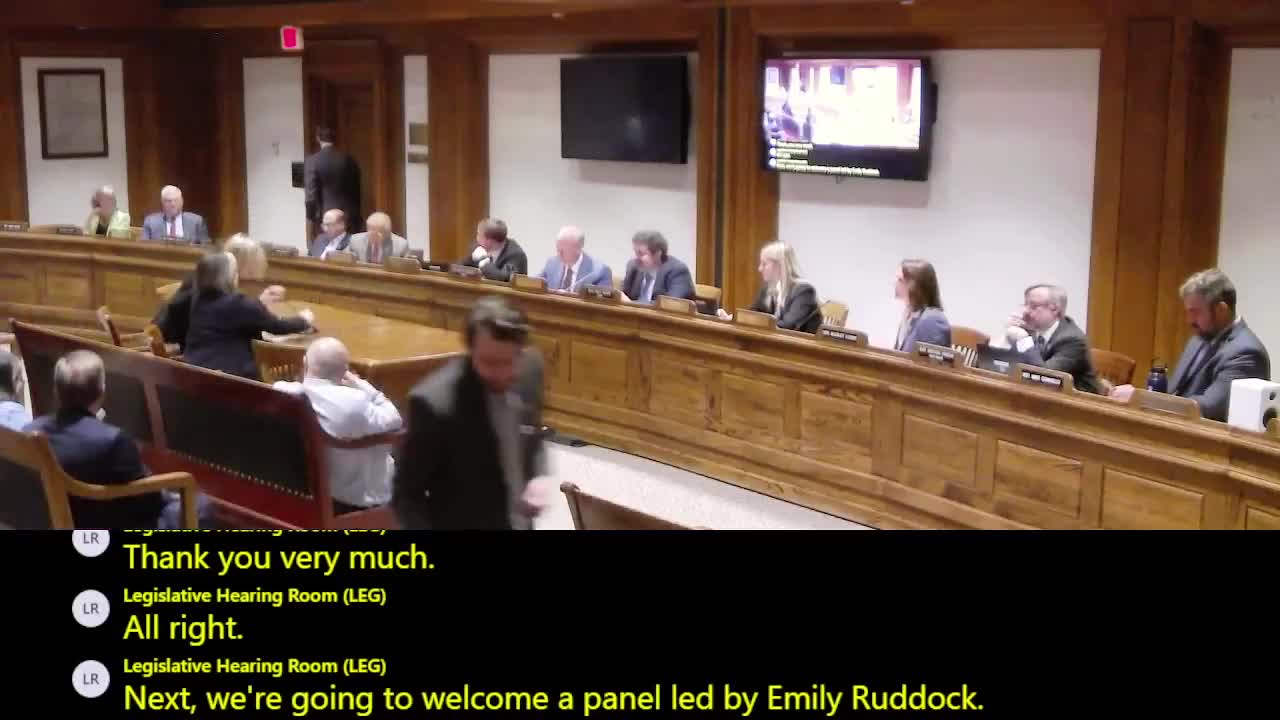
Artists, planners and nonprofit leaders told the Joint Committee on Tourism, Arts and Cultural Development on Oct. 21 that Massachusetts needs new tools and predictable funding to preserve creative workspaces, pay artists living wages and sustain public art.
Artists, planners and nonprofit leaders told the Joint Committee on Tourism, Arts and Cultural Development on Oct. 21 that Massachusetts needs new tools and predictable funding to preserve creative workspaces, pay artists living wages and sustain public art.
Emily Ruddock, executive director of MassCreative, and Anna Sengupta, director of arts and culture at the Metropolitan Area Planning Council (MAPC), described two bills: the Creative Space Act (H.3587/S.2334), which would allow municipalities to establish trust funds or similar mechanisms to acquire or preserve affordable studio and performance spaces, and the PLACE Act (H.3592/S.2332), which would allocate a percentage of construction funds on state‑owned projects — capped at $300,000 per project — to a public art fund.
Sengupta cited national and regional data showing the arts’ economic footprint and the steady loss of industrial and creative square footage in recent years. "We are losing affordable creative workspace for individual artists to create their work and for organizations and artists to perform and present their work," she said, and argued that municipal trust funds and a percent‑for‑art approach are sustainable ways to expand revenue streams for local cultural investment.
Artists and organizers from across the Commonwealth described the practical consequences. Alisa Patterson (Ability Stands, Massachusetts Cultural Council board) said accessible, affordable space is scarcer now, which limits employment opportunities for disabled artists. Gabriela Zapolarakis (visual artist, Springfield) and Bridal Ruh (Commonwealth Murals, Springfield) said the absence of statewide percent‑for‑art funding depresses mural budgets in Western Massachusetts and prevents paying artists living wages or integrating workforce development into projects. Amy Bennett (Art Stays Here Coalition) and Edward Speck (Theatre in the Open) described municipal partnerships and curatorship agreements that have worked locally but said municipalities need clearer authority and funding pathways to scale those models.
Speakers emphasized maintenance and lifecycle funding for public art as a recurring problem: several witnesses said murals and installations deteriorate because no maintenance funds are budgeted and that, without provisions for upkeep, municipalities and artists are forced to limit the scope of projects.
Witnesses urged the committee to report the bills favorably so cities and towns can create dedicated financial tools and provide sustainable support for creative careers and community engagement.