Get Full Government Meeting Transcripts, Videos, & Alerts Forever!
Get email alerts on the Tourism Funding topic
No spam. Unsubscribe anytime.
Regional tourism councils urge fixed timetable for trust-fund grants to preserve shoulder‑season marketing
Summary
Regional tourism leaders told the Joint Committee on Tourism, Arts and Cultural Development on Oct. 21 that late or piecemeal distribution of the Massachusetts Travel and Tourism Trust Fund has prevented them from contracting time‑sensitive marketing campaigns and has weakened shoulder‑season promotion.
Regional tourism leaders told the Joint Committee on Tourism, Arts and Cultural Development on Oct. 21 that late or piecemeal distribution of the Massachusetts Travel and Tourism Trust Fund has prevented them from contracting time‑sensitive marketing campaigns and has weakened shoulder‑season promotion.
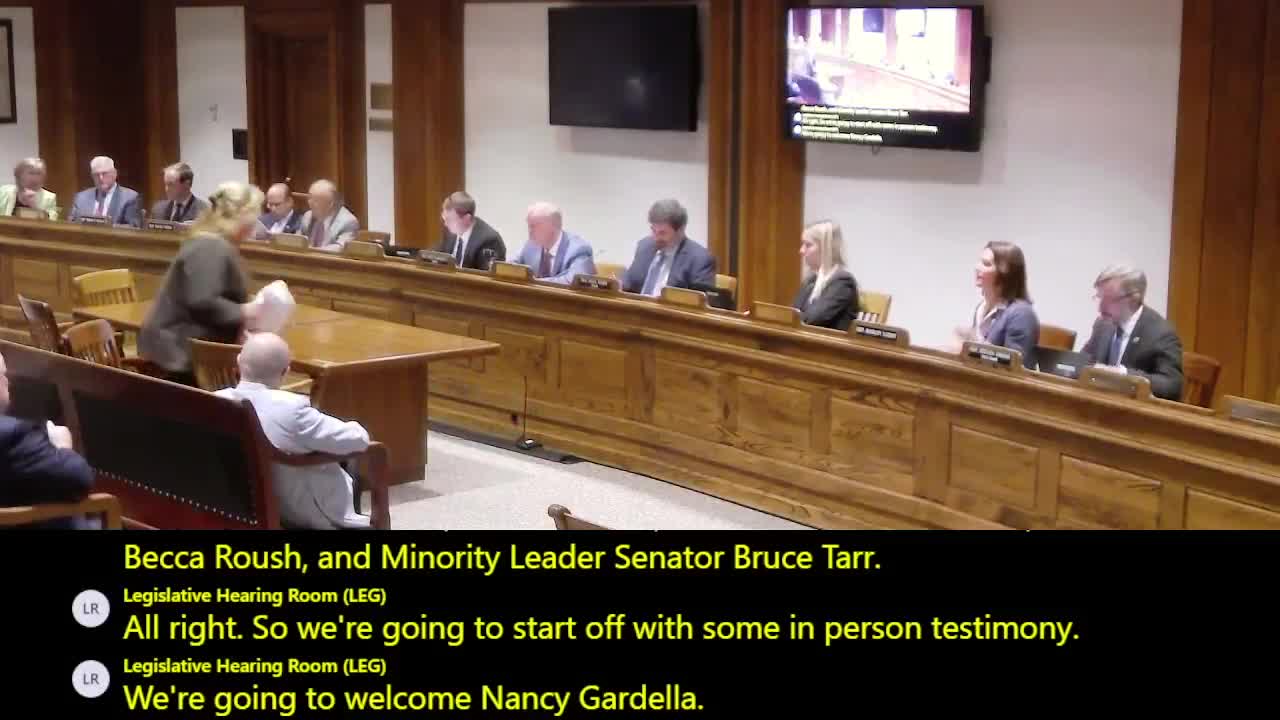
Nancy Gardella, executive director of the North of Boston Convention & Visitors Bureau and co‑chair of the Massachusetts Regional Tourism Councils, testified in support of House Bill 3588. "This bill is very simple," she said. "It says that when we're going to award marketing and promotion grants ... the language of this bill is needed to help inform the State's Comptroller to distribute these dollars at certain intervals without directives from the legislature." Gardella said timely release of occupancy‑tax collections already held in the trust fund would allow regional councils to preserve Massachusetts' position in a competitive travel market.
Stacy David, executive director of the MetroWest Boston Visitors Bureau, described the operational impact of late payments. She said half of her nonprofit's annual budget depends on the state grant and that the bureau often begins each fiscal year with "$0 in the bank." David gave a recent example: a 25‑post holiday social campaign that generated 157,000 views and nearly 10,000 engagements — a campaign she said would not have been possible without receiving state funds in time to contract fall advertising.
Paul Nezwicki, president and CEO of the Cape Cod Chamber of Commerce, urged the committee to set a firm annual distribution deadline (he and other witnesses proposed October 1 or September 1 in related filings). He described the regional importance of shoulder‑season promotion on Cape Cod, where year‑round infrastructure is sized for peak summer flow and where tourism supports local economies. Nezwicki provided the committee with statewide and regional figures for 2024, noting that visitor spending and occupancy tax collections have grown in recent years and arguing that the original intent of the travel and tourism trust fund was to reinvest revenues "back into regional marketing promotion."
Senator Joan Lovely, sponsor of related legislation in the Senate, asked the committee to give the bills favorable action and said codifying a distribution date would give regional tourism councils "adequate time after the start of the Commonwealth's fiscal year for administrative processing while ensuring that funds are available early enough to support well coordinated marketing campaigns across all regions."
Committee members asked brief clarifying questions about recent tourism trends and whether international travel has recovered; witnesses said international visitation remains below pre‑pandemic levels even while domestic visitation held steady in summer months.
If enacted, the statutory timing allocation sought by witnesses would not increase the trust fund appropriation but would set a clear release date so councils could plan seasonal advertising and promotions.