Get Full Government Meeting Transcripts, Videos, & Alerts Forever!
Get email alerts on the Hemp Regulation topic
No spam. Unsubscribe anytime.
Finance Committee approves technical fix to implement Issue 2, tightens rules for intoxicating hemp and THC beverages
Summary
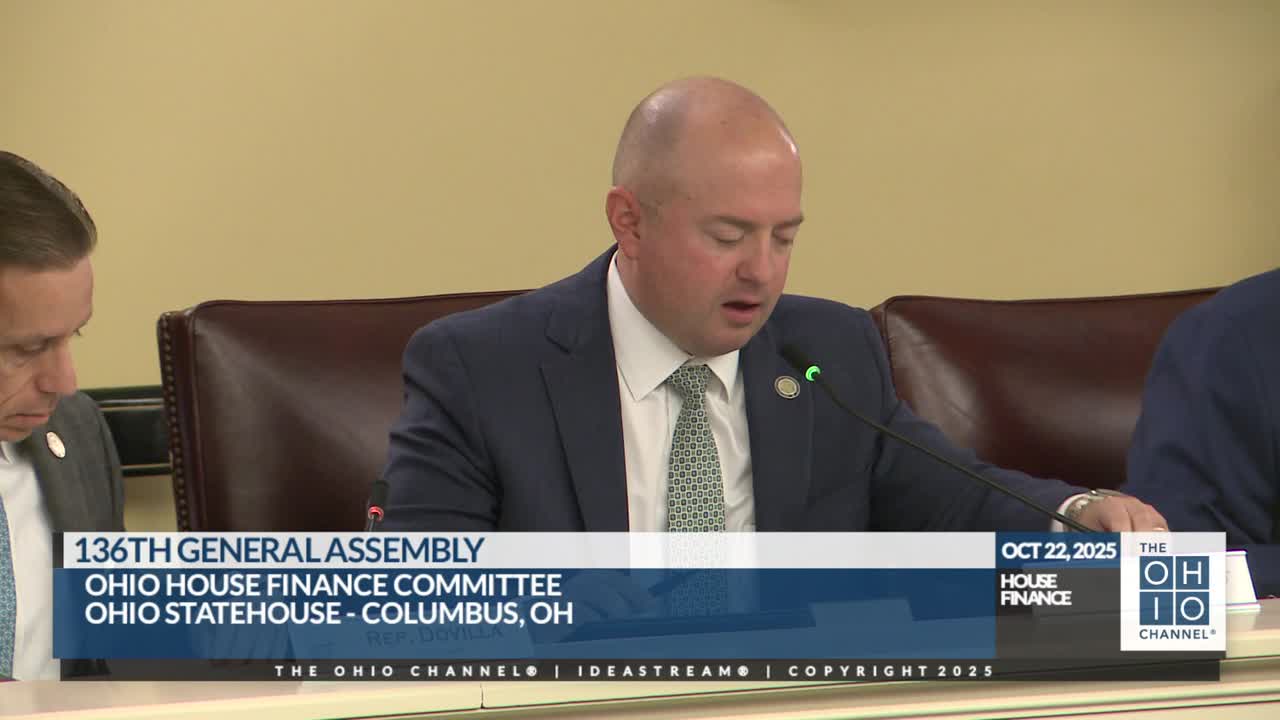
The House Finance Committee voted to favorably report a substitute to Senate Bill 56 that implements technical fixes to Issue 2, sets THC-content thresholds and licensing rules for intoxicating hemp and certain THC beverages, and authorizes distribution of host-community tax revenues.
The House Finance Committee voted to favorably report the substitute to Senate Bill 56, a package to implement aspects of Issue 2, clarify expungement rules, regulate intoxicating hemp products and certain THC beverages, and authorize distribution of host-community funds. Chair Stewart and sponsors described the substitute as a technical and policy update intended to preserve the core elements of Issue 2 while addressing implementation defects identified by the Department of Taxation; the committee vote on the motion to recommend passage was announced as 28 yes and 2 no.
Sponsors said the substitute harmonizes several provisions: it removes a requirement that a person seeking expungement of a misdemeanor marijuana charge prove the specific amount possessed 20 years earlier, allows expungement of dismissed charges as well as convictions consistent with current expungement law, and aligns penalties so that a first offense for selling an intoxicating product to a minor is a misdemeanor rather than a felony in the drinkable-cannabinoid context. Sponsors also said the bill creates licensing and testing pathways for intoxicating hemp retail and clarifies that certain drinkable products will be taxed (described in committee testimony as "a dollar 20¢ gallon tax" in the hearing record).
On access and youth protections, sponsors and members discussed THC thresholds and product design limits. Representative Fisher and other sponsors described a per-serving and per-container definition of "intoxicating" (testimony referenced thresholds in committee: more than 0.5 milligrams of THC per serving or 2 milligrams per container) and said the bill would restrict sales to licensed retailers, prohibit products marketed to children, and apply consistent penalties for sales to minors. The substitute also permits limited, low-dose beverages for on-premises consumption (sponsors cited 5 milligrams) and higher-dose off-premises packaging (sponsors cited 10 milligrams), and includes carve-outs to allow out-of-state sales or shipment under certain manufacture/export conditions.
Sponsors noted the substitute includes an appropriation mechanism to allow the Department of Taxation to distribute the 36% host-community share created by Issue 2, fixing statutory language that previously prevented those disbursements. Members asked about the expected receipts to host communities and the interim enforcement period before rules and licensing are fully in place; sponsors pointed to prior budget estimates cited in testimony and noted that budgeted prevention and education funding exists but that legal remedies to preempt interim sales are limited.
The motion to favorably report the substitute was moved by Vice Chair Davila and carried by the committee. Chair Stewart announced the result as 28 yes and 2 no, granted LSC harmonizing authority for the committee report, and closed the first hearing on the substitute to SB 56.