Get Full Government Meeting Transcripts, Videos, & Alerts Forever!
Get email alerts on the Behavioral Health topic
No spam. Unsubscribe anytime.
County advisory groups urge protecting Medicaid, expanding peer supports and crisis services as mental-health needs rise
Summary
Advisory committees told Montgomery County—s Health and Human Services panel that recent expansions in crisis services are valuable but that threats to Medicaid funding and shortages in the behavioral health workforce put access at risk.
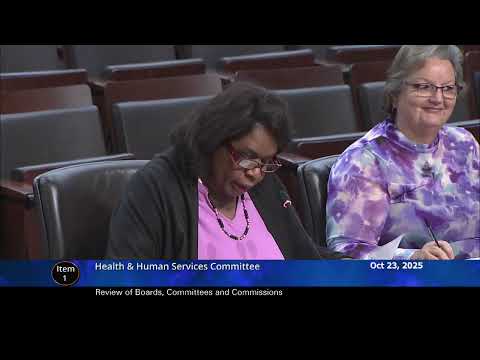
Multiple county advisory groups told the Health and Human Services Committee that mental and behavioral health services are under pressure from rising demand, workforce shortages, and threats to Medicaid and federal funding.
"We are deeply concerned that our most vulnerable populations may be the hardest hit by the federal changes to the Medicaid program," Libby Nelis, chair of the Mental Health Advisory Committee, said, urging that leaders protect funding and continue expanding the county—s crisis system of care.
Panel testimony highlighted a series of county investments: expansion of mobile crisis teams (up to seven), crisis stabilization rooms, a mobile health unit for basic health and mental-health screenings, and increased Medicaid billing for crisis-center services. Commissioners and providers recommended building the peer-support workforce, preserving school-based behavioral health reimbursement (recently expanded in Maryland), and strengthening coordinated entry between behavioral health and homeless services. Several presenters noted that cuts or policy shifts at the federal level could exacerbate staffing shortages and reduce access for immigrant families and other vulnerable groups.
The Mental Health Advisory Committee urged the county to engage advisory groups directly in planning and invited greater collaboration with other boards and commissions to coordinate advocacy and local policy responses. The committee also noted the value of community-led interventions piloted during COVID, including community mental-health worker groups that trained local leaders to run support groups in multiple languages; county presenters cited independent evaluations that found measurable improvements in anxiety and engagement.
Committee members said the county needs to protect existing funding streams, invest in workforce development for peer specialists and clinicians, and prepare contingency plans if federal Medicaid policies change.