Get Full Government Meeting Transcripts, Videos, & Alerts Forever!
Get email alerts on the Syringe Service Program topic
No spam. Unsubscribe anytime.
Lewiston council passes first reading of syringe‑service licensing ordinance after removing 1‑for‑1 exchange
Summary
Council adopted the business‑license ordinance regulating syringe service programs on first reading 7–0 after a contested debate that removed a 1‑for‑1 exchange requirement and defeated a proposed cap of 30 syringes per visit.
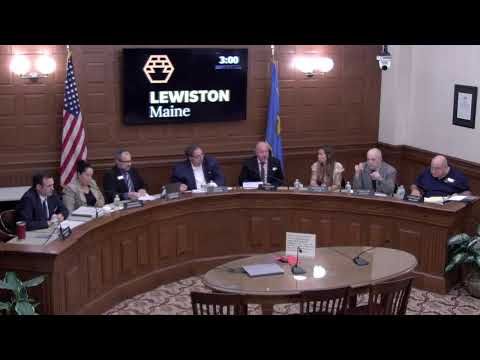
Lewiston’s City Council on Oct. 21 approved first reading of a new business‑license ordinance to regulate syringe service programs (SSPs), setting licensing rules after a months‑long process of workshops and public comment.
The council first debated whether the ordinance should permit a one‑for‑one needle exchange (return one used syringe to receive one clean syringe). After a motion to remove references to a 1‑for‑1 exchange passed 4–3, another amendment proposing a cap of 30 syringes per day failed 3–4. The full ordinance, incorporating workshop revisions, then passed on first reading 7–0.
Councilors said the vote reflected careful review of CDC guidance and local concerns about needle litter and public safety. Supporters of removing one‑for‑one exchanges said the change was intended to allow licensed programs to design their own exchange policies within licensing standards. Opponents warned that stricter limits could increase unsafe disposal in public spaces. Several council members urged quick implementation but also local monitoring and adjustments if the licensed programs did not meet public‑safety expectations.
Director of Planning and Code Enforcement John Conner called the Oct. 14 workshop “productive” and framed the ordinance as a licensing and regulatory tool. During the meeting public commenters again urged both safer disposal and careful oversight. Multiple councilors said they view the ordinance as an imperfect but necessary step forward, and several said they expect to revisit details and technical edits after practical experience under the license framework.
Why it matters: Lewiston has experienced public debate about syringe litter, public health and harm‑reduction approaches. The council’s action establishes a local licensing pathway for SSPs while removing a strict mandatory one‑forall exchange requirement and leaving program design choices to licensed providers subject to local rules.
Speakers: Director John Conner (Planning & Code Enforcement); multiple councilors (see speaker list).
Votes and outcomes: A proposed amendment to cap distributed syringes at 30 per day failed, 3–4. A motion to remove references to 1‑for‑1 exchange passed, 4–3. The primary ordinance (first reading) passed 7–0; further council review is expected for second reading.
Provenance (sample excerpts): "Before you tonight is the first reading of the proposed syringe service program license ordinance..." and later the roll calls and amendment votes are recorded in the official minutes.
Next steps: Second reading is expected at a future meeting; licensing and monitoring processes will be developed with administration and public‑health partners.