Get Full Government Meeting Transcripts, Videos, & Alerts Forever!
Get email alerts on the Food Security Second Harvest topic
No spam. Unsubscribe anytime.
Second Harvest warns of emergency food needs if CalFresh/SNAP benefits stop; outlines county response
Summary
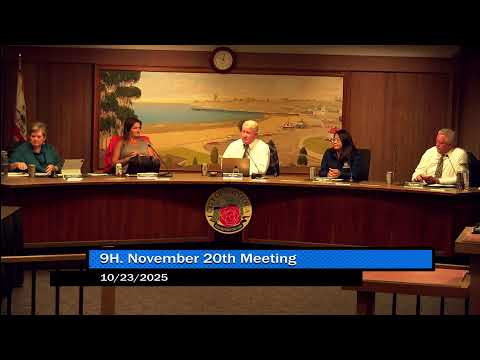
Second Harvest Food Bank told the Capitola City Council on Oct. 23 that it is activating emergency plans ahead of an expected disruption to CalFresh/SNAP benefits that could leave tens of thousands of county residents without monthly federal food assistance.
Bridal Padilla Chavez, chief executive of Second Harvest Food Bank of Santa Cruz County, told the Capitola City Council on Oct. 23 that the county food network is preparing for a potential halt in CalFresh (SNAP) benefits and other federal supports beginning Nov. 1.
Chavez said 5.5 million Californians rely on CalFresh and that 44,000 Santa Cruz County residents could be affected; she characterized the local equivalent of lost benefits at approximately $6.5 million for a single month and said the food bank does not have that sum available in its regular operating budget.
“I do not have $6,500,000,” Chavez said during her presentation, describing steps Second Harvest has taken to activate emergency plans, draw on reserves, purchase additional food and convene partner agencies across sectors (schools, UC Santa Cruz, Cabrillo College and others) to prepare distribution and home‑delivery options.
Chavez reviewed the food bank’s network and capacity: about 67 partner agencies in the county, 102 distribution sites and more than 13 million pounds of food distributed annually — a value she said equates to more than $30 million. In Capitola specifically, she said 1,760 unduplicated individuals receive monthly assistance from partner agencies, approximately 20% of the city population by her count.
She said additional pressures include changes to USDA commodity allocations and federal policy proposals (she referenced HR 1) that can reduce eligibility for certain immigrant residents; in Santa Cruz County she estimated about 300 legal residents could lose benefit eligibility under recent changes.
Chavez said Second Harvest is pivoting operations to expand home delivery for people unable or afraid to visit distribution sites, including seniors and residents concerned about immigration status; she described partnerships with Amazon and DoorDash for low‑ or no‑cost deliveries and emphasized internal operational efficiencies and volunteer mobilization to stretch supplies.
Council members thanked her for the briefing; there were no council questions that prompted other formal actions. Chavez said she was presenting the information to encourage local policymakers to consider food insecurity as conversations about local services and budgets proceed.