Get Full Government Meeting Transcripts, Videos, & Alerts Forever!
Get email alerts on the Traffic Safety topic
No spam. Unsubscribe anytime.
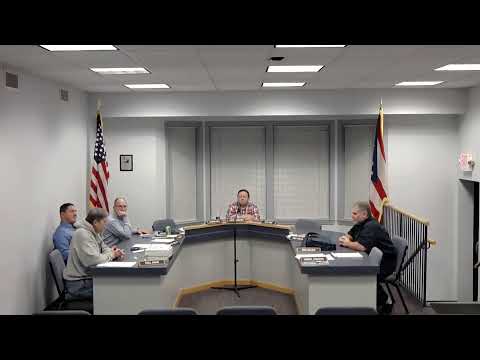
East Canton council tables decision on speed‑table lights after extended debate over cost and maintenance
Summary
Council members and public works staff debated battery versus solar flashing lights for traffic speed tables, weighing upfront cost, monthly battery replacement, winter reliability and equity of installing lights at some locations. After discussion the council agreed to table the item for further cost and budget review.
Village of East Canton public works staff and council members reopened a months‑long discussion about installing flashing lights at local speed tables, focusing on whether to buy battery‑operated units or solar models and how the village would manage ongoing operating costs.
Service staff said battery units provide 24/7 visibility and recommended them for speed tables, but cautioned the village should plan for recurring battery replacement costs. “If you want them to be visible on the speed tables 24/7, day and night, then you go with the batteries,” the staff member said. Staff estimated an average recurring cost of roughly $57 per month to keep battery units operational and cited an upfront kit price of about $604 that includes batteries and brackets. Solar units cost less up front but may fail to stay lit through winter nights, staff warned.
Council members raised operational and equity concerns: installing lights at a single table could create pressure to add them at other speed tables, and once installed the village might be expected to keep them permanently. One councilmember said installing lights at only some locations could create liability and fairness questions and argued for consistent treatment across sites. Others suggested starting with temporary or battery units and repurposing solar units for barricade lighting if the permanent solution proved unsuitable.
Staff discussed alternatives including running AC power to sites, which they estimated could require $1,500–$2,000 to set a temporary pole plus a monthly utility cost that could approach or exceed battery replacement expenses.
After extended discussion of costs, visibility, maintenance and resident impacts, the council agreed to table the proposal so staff can return with clearer budget figures and implementation recommendations.