Lifetime Citizen Portal Access — AI Briefings, Alerts & Unlimited Follows
Plan Prince George’s 2035 evaluation: housing on pace but growth concentrated outside transit districts
Loading...
Summary
Prince George’s County planning staff told the Plan Prince George’s 2035 implementation task force on Oct. 20 that the county added nearly 11,800 dwelling units from 2019–2024 and remains roughly on pace for the plan’s 63,000-unit target by 2035, but that new housing and job growth has been concentrated in established communities rather than the regional transit districts the plan prioritized.
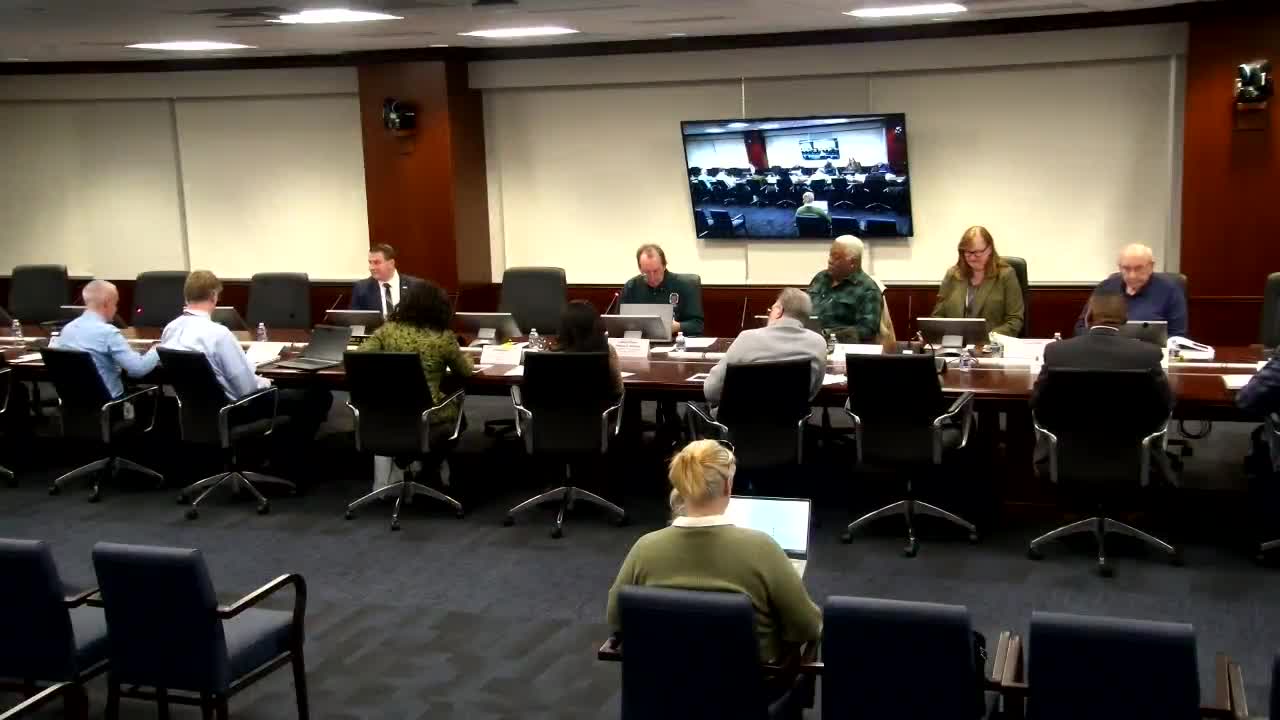
Prince George’s County planning staff told the Plan Prince George’s 2035 Implementation Infrastructure Task Force on Oct. 20 that the county added nearly 11,800 dwelling units between 2019 and 2024 and remains generally on pace to reach the plan’s 63,000-unit housing target by 2035, but the location of that growth does not match the plan’s goals.
The presentation by Thomas Lester, project manager for the evaluation report, showed that regional transit districts (RTDs) were intended to receive 50% of new housing under Plan 2035 but captured roughly 20% of new units in the most recent five‑year period; established communities captured about 49% of new housing. Lester said the county’s housing pipeline includes more than 48,000 approved but not-yet-built units, with a similar imbalance in geographic distribution.
Why it matters: Plan 2035 sets growth-management targets to concentrate new housing and jobs near transit and in local centers to reduce vehicle miles traveled, support transit, and shape infrastructure investments. Staff warned that continued concentration of development in established communities could undermine those objectives and recommended specific actions to better align outcomes with the plan’s intent.
Key findings and recommendations
- Housing production and pipeline: Between 2019 and 2024 the county added nearly 11,800 dwelling units. Staff reported the county has achieved roughly 40% of the 63,000-unit Plan 2035 housing target to date and estimated a pipeline of over 48,000 approved dwelling units. Despite overall production, much of the growth has occurred in established communities rather than in RTDs and local centers, the areas Plan 2035 prioritized.
- Job growth shortfall: The evaluation found a net gain of about 4,600 jobs countywide from 2014–2022, far short of the plan’s employment target. The county’s employment forecast projects roughly 46,000 jobs by 2035 versus the Plan 2035 target of 114,000 jobs, leaving an estimated shortfall of roughly 67,000 positions. Staff said the largest forecast shortfall is in RTDs, though local centers and employment areas are also expected to underperform while established communities are forecast to exceed their smaller employment targets.
- Indicators: Staff compiled 31 indicators linked to plan strategies (five more than originally identified). As of the review, 23 of 31 indicators trended in the desired direction and eight underperformed. Positive trends included increased park acreage, higher educational attainment, higher median home values and reduced unemployment; underperforming indicators clustered in economic prosperity (for example, commercial vacancy rose to about 8%, and wage growth slowed).
- Recommended policy responses: To better align growth with Plan 2035 goals staff recommended reviewing and updating zoning in established communities during master and sector planning, reassessing RTD development capacity and entitlements (including environmental constraints and boundary adjustments if appropriate), and adopting modified job targets that reflect current economic realities. Staff also suggested targeting economic development strategies (marketing, industry recruitment, workforce development) to address commuter outflows and sector losses.
Questions from the task force and data issues
Task force members pressed staff for additional data and methodological detail. Members asked for: a clearer definition and map of "employment areas" versus local centers and RTDs; the data sources and calculations behind net commuter flow and vehicle miles traveled (VMT); geographic breakdowns of each indicator (for example by council district or census tract); and clarification on why some datasets—for example crime—stop at 2020.
Lester said the report uses a 2019 base year and a 2024 review year where data are available and that staff will provide data sources and supporting documentation with the public release. He also said staff will ask the county statistician to explore finer geographic breakdowns where datasets permit and to "look under the hood" of the employment forecasts to reconcile apparent anomalies in job location.
Fiscal and implementation concerns
Members urged that the county’s fiscal-impact analysis account for deferred maintenance and existing service gaps (for example public safety staffing and unfunded capital projects) so future growth costs are not understated. Staff noted a separate fiscal impact study is under way and that it will consider public services and infrastructure costs, and they said they will consult peer jurisdictions on how to keep the general plan "trued up" with partner agencies during implementation.
Next steps
The task force was told that executive council and park and planning have decided to begin work on a Plan 2050 process; staff said they will take lessons from the Plan 2035 evaluation into that effort. The group scheduled a final wrap-up meeting for Nov. 17 to finalize recommendations and deliver the task force’s observations to the Plan 2050 team.
"It's my honor to have my team provide some great updates in regards to the evaluation report," the director said during the presentation.
The presentation concluded after staff summarized indicators and recommendations; members followed with questions about data sources and implementation. The task force did not adopt any new policy in the meeting; the only formal action taken was approval of the July 21 minutes earlier in the session.