State argues Jenkins provoked confrontation; defense says jail call raised self-defense
Loading...
Summary
Defense counsel argued a recorded jailhouse phone call was sufficient to raise self-defense before the defendant testified; the State countered that Jenkins admitted initiating a plan to take a gun and therefore provoked the danger. The appellate panel took the case under advisement.
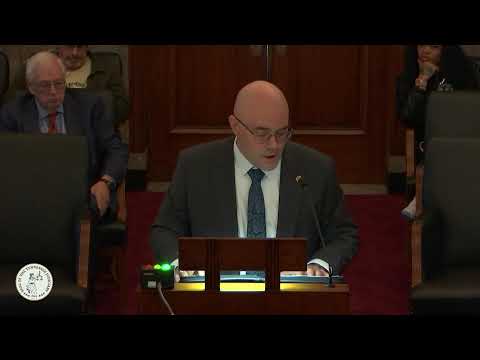
Ben Russ, attorney for Mr. Jenkins, told the court the defendant's recorded jail phone call to his girlfriend raised the possibility of self-defense. Russ quoted the recording as saying, "if the caliber of the bullet that's recovered is a 40 caliber bullet, then that must have been the gun I fired, but I don't think it was me," and argued the statement contained admissions and facts that should have led the trial judge to give a self-defense instruction after the state's case-in-chief.
Russ told the panel that because the trial court declined to give the instruction at that point, Mr. Jenkins felt compelled to testify and was then exposed to cross-examination about his prior statements and credibility. "If the jury then hears about him having lied to the detective on three different occasions ... maybe that's exactly why they rejected the self-defense argument," Russ said, arguing the timing of the instruction prejudiced his client.
Will Lundy, for the State, urged a different reading. Summarizing Jenkins's phone statements, Lundy said the defendant described deciding to take Mr. Welch's gun and approaching the victim while armed, arguing that Jenkins "started the conversation" and therefore "self defense is not available to a defendant who provokes or consents to the danger." Lundy told the panel that, on the State's view, the recording showed the defendant initiated the encounter, which defeats a self-defense instruction.
Panel members asked whether the trial judge may change course about instructions and scrutinized whether other witnesses could have raised the defense without the defendant testifying. Counsel disagreed about whether the evidence available at the close of the State's case was sufficient to require an instruction. The court took the appeal under advisement.