Get Full Government Meeting Transcripts, Videos, & Alerts Forever!
Get email alerts on the Equal Protection Second Counsel topic
No spam. Unsubscribe anytime.
Appellate panel hears claim that local practice of two defense lawyers disadvantaged Jenkins
Summary
At oral argument, defense counsel said a local practice of assigning two attorneys—one compensated, one effectively unpaid—created an equal-protection problem for Mr. Jenkins; the State called the change invited error and said Jenkins suffered no prejudice. The court took the case under advisement.
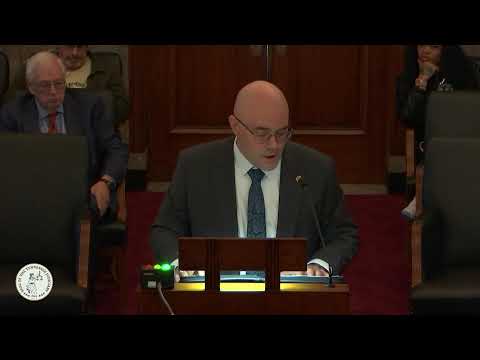
Ben Russ, attorney for defendant Mr. Jenkins, told a Tennessee appellate panel that an equal-protection problem arises when indigent homicide defendants in the Davidson County practice routinely receive two defense attorneys while similarly situated defendants elsewhere do not. "Mr. Jenkins is not being treated like other indigent defendants in Davidson County because he can't have two lawyers who are compensated," Russ told the court.
Russ said trial counsel Jody Bell had asked the trial court to appoint a compensated second chair; the court denied payment and Bell continued representing Jenkins pro bono while a second lawyer was appointed to complete the trial. Russ argued that, had the public defender's office handled the case from arrest through trial, Jenkins would have had multiple lawyers and access to investigative resources, and that the discrepancy is a constitutionally significant difference in representation.
Will Lundy, representing the State of Tennessee, urged the panel that the defense's current argument shifted from "I don't have two defense attorneys" to a narrower complaint that one of Jenkins's lawyers was unpaid. "Because Miss Bell herself suggested this solution, the state's position is this is invited error," Lundy said, arguing that the change in posture limits appellate review to plain-error standards. Lundy also told the court that both trial lawyers had performed effectively and that the defendant could not show the outcome would have differed if both lawyers had been paid.
Panel members pressed counsel on remedy and scope: whether an equal-protection rule requiring two paid attorneys would apply statewide and, if adopted, what practical relief the court could order. Russ acknowledged the court could announce a legal rule but urged a focus on whether Jenkins suffered unfair prejudice in his specific trial. The judges also explored whether the claim belonged to defense counsel or to the defendant and whether the matter might be more properly raised in post-conviction proceedings.
The court did not rule from the bench. After argument, the panel said it would take the case under advisement.