
Appellant argues 18‑month delay and lost texts denied fair trial; court takes case under advisement
Get AI-powered insights, summaries, and transcripts
Subscribe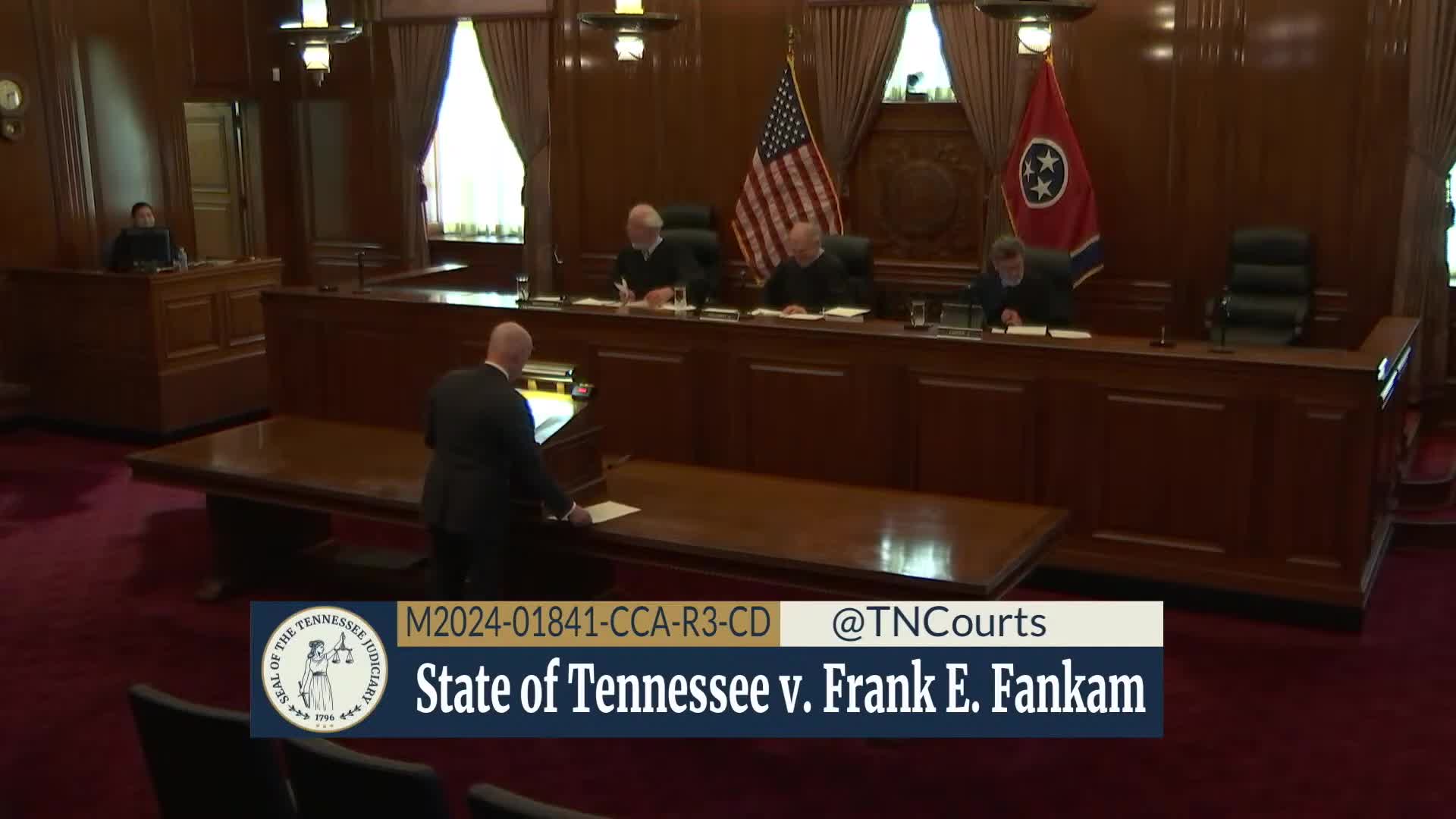
Summary
In oral argument, counsel for Frank Funkem asked a judicial panel to dismiss his conviction due to an 18‑month pre‑accusation delay and the loss of potentially exculpatory text messages; the State said the delay stemmed from investigatory and crime‑lab factors and that the defendant was not prejudiced. The court took the matter under advisement.
Pat McNally, counsel for appellant Frank Funkem, told a judicial panel that the 18‑month interval between the alleged September 26, 2020 incident and the indictment deprived his client of due process because key text‑message evidence was not preserved. McNally said the missing messages would have corroborated Funkem’s account that he believed contact was consensual and that their loss prevented a full presentation of the defense.
"These were text messages that were held by DLR and provided to the state for preparation for the trial," McNally said, arguing that the one‑sided preservation and the defendant’s loss of his phone created actual prejudice. He urged the court to weigh prejudice to the defendant heavily and asked the State to explain why it waited roughly 18 months to bring charges.
Assistant prosecutor Caroline Weldon, answering the court, agreed the parties had a social, flirtatious relationship but disputed McNally’s characterization of the bedroom encounter. "The victim woke to the pressure of the defendant on her back," Weldon said, and described post‑incident messages in which the victim told the defendant she had been asleep and unresponsive. Weldon acknowledged an 18‑month delay between the assault and indictment but attributed part of the delay to the crime‑lab process and to investigators’ difficulty locating the defendant.
The bench questioned the State about whether crime‑lab testing could explain months of delay given that the trial did not include DNA results. Weldon acknowledged swabs had been taken and submitted for testing but said the results were not fruitful and thus were not used in the State’s case. She also told the court that the victim had reported the incident to nursing‑school administrators, and that the school immediately separated the two students — an action the State says put the defendant on notice and undercuts claims that he was unaware or that vital evidence would have been preserved.
McNally countered that investigators could have located Funkem at his school — he graduated in December 2021 and remained in Nashville through March 2022 — and that a prompt inquiry there might have led him to retain the phone or messages. He emphasized legal precedent allowing a court to apply a balancing test to preaccusation delay claims and urged the panel to find the missing evidence caused actual prejudice.
Neither counsel asked the court to issue an immediate ruling from the bench. After oral argument, the panel said it would take the case under advisement and issue its decision in the next few weeks.
The parties and the court used the victim’s initials (DLR) in argument. Frank Funkem attended the hearing but did not speak.
Next step: the court will circulate a written opinion in the coming weeks that will resolve whether the 18‑month delay and the loss of text‑message evidence require relief for the appellant.