Rock County delays $531,000 siren upgrade after emergency management warns of tradeoffs
Loading...
Summary
After testimony from Emergency Management Director Kevin Wernett on vulnerabilities in the current activation system, the Rock County Board voted 19–10 to postpone a proposed $531,000 siren system upgrade to 2027 and redirect sales tax to lower the debt service levy.
The Rock County Board on a 19–10 roll call voted to postpone a proposed $531,000 upgrade to the county’s emergency siren activation system and to use the sales tax allocation instead to reduce the debt service portion of the tax levy.
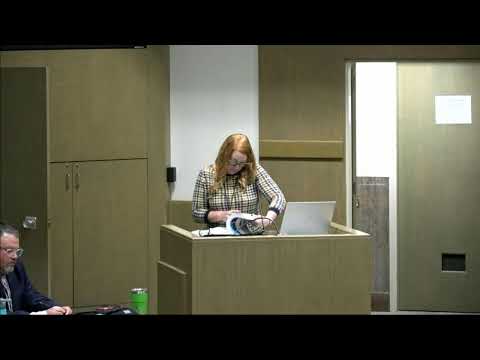
Emergency Management Director Kevin Wernett told supervisors the county’s siren activation tech relies on decades‑old, single‑source radio signaling and lacks automation, encryption and battery backup at most sites. “Our our emergency warning system is based on technology that’s 30 or 40 years old,” Wernett said. He said the upgrade under consideration would move the county to an encrypted cellular receiver system tied to 911 and the National Weather Service, allow zoning of siren activation so only affected areas sound, and provide battery backup so sirens would operate if grid power is lost.
Board members split over whether the safety benefits justify the 2026 expense. Supervisor Soderlund said Rock County has experienced multiple tornadoes recently and emphasized constituent safety; Supervisor Tillman and others argued the project had not been vetted sufficiently by the Public Safety & Justice committee and characterized the upgrade as a “want” rather than a demonstrated operational need for 2026. Finance committee members noted postponing the project would lower the debt service levy in the short term.
The emergency management director enumerated operational risks if the system remains unchanged: unsecure activation susceptible to interference (including off‑the‑shelf radios), lack of automated zoned activation that can cause “overwarning” in unaffected communities, and limited functionality during power outages. Wernett said a proposed encrypted cellular receiver would provide automated activation and zoned alerts and supply batteries at each site to ensure operation during outages.
Several supervisors asked for additional vetting and for the administration to work with PS&J on a clear timetable; the motion approved by the board effectively defers procurement and implementation discussions to a later budget cycle.
The vote on the postponement was recorded by roll call as 19 yes and 10 no.