District finance chief: Wenatchee ends 2024–25 with $13.2M fund balance, but reserves drew down $1.9M
Loading...
Summary
Executive Director Sean Fitzgerald reported a $13.2 million ending fund balance for 2024–25, a favorable $2.7M variance to budget, but a $1.9M net drawdown in reserves driven by transfers to capital for HVAC and roofing repairs and the end of ESSER funds.
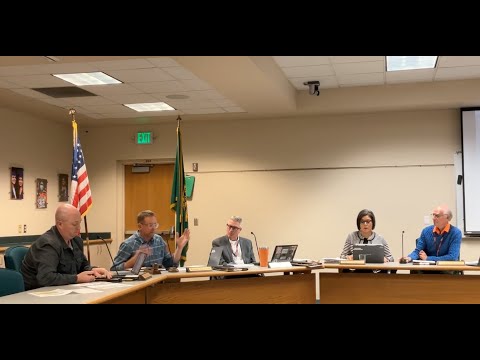
Sean Fitzgerald, the district's executive director of business and finance, presented the 2024–25 year‑end financial report to the Wenatchee School District Board of Directors, reporting revenues of roughly $127.5 million (about 99% of budget including capacity) and expenditures of about $128.6 million.
Fitzgerald said the district finished the year with an ending fund balance of nearly $13.2 million — a roughly $2.7 million favorable variance to the budget — but also noted a $1.9 million drawdown of reserves over the year. He attributed the variance to a mix of factors: additional local effort assistance, budgeted positions filled internally, slight enrollment gains and the timing of capital transfers.
The presentation highlighted several revenue shifts: one‑time federal ESSER COVID relief funds were exhausted (reducing federal special‑purpose revenue compared with last year), and the district received a smaller federal forest payment this year following a state adjustment that also reduced state apportionment tied to those receipts. Fitzgerald said the district recorded approximately $12.0 million in federal special‑purpose receipts for programs such as Title and migrant services after ESSER declines.
Fitzgerald described capital‑project activity and transfers: the district transferred funds to cover emergency HVAC and roofing repairs at the high school and finished construction of a varsity girls softball field. The capital projects fund showed about $1.1 million in revenues and $2.8 million in expenditures for the year, with key projects including skill center modernization and a $2.0 million softball field expenditure.
Debt service and borrowing were also discussed. Trevor Carlson earlier told the board that the district refinanced bonds in March 2024 and realized roughly $6.6 million in interest savings over nine years; Fitzgerald reiterated that outstanding debt has final maturity in December 2033 and that the district is drawing down reserves deliberately for IRS and tax‑rate reasons.
Fitzgerald said the district continues to follow board policy on minimum fund balance and intends to use committed reserves per prior resolution to offset planned budget reductions in 2025–26. He also advised that interest income from reserves has declined with market changes and that transfers from the general fund remain the primary means of addressing new maintenance needs.
Board members asked clarifying questions about assumptions used in bond modeling, timing for transfers into capital projects, and the status of lease accounting changes (which required recording lease present value on the books). Fitzgerald's report will feed into the district's budget planning for 2025–26.