
Xenia staff proposes 15% water‑rate increase and modest building‑permit fee hikes to fund infrastructure and COLA indexing
Get AI-powered insights, summaries, and transcripts
Subscribe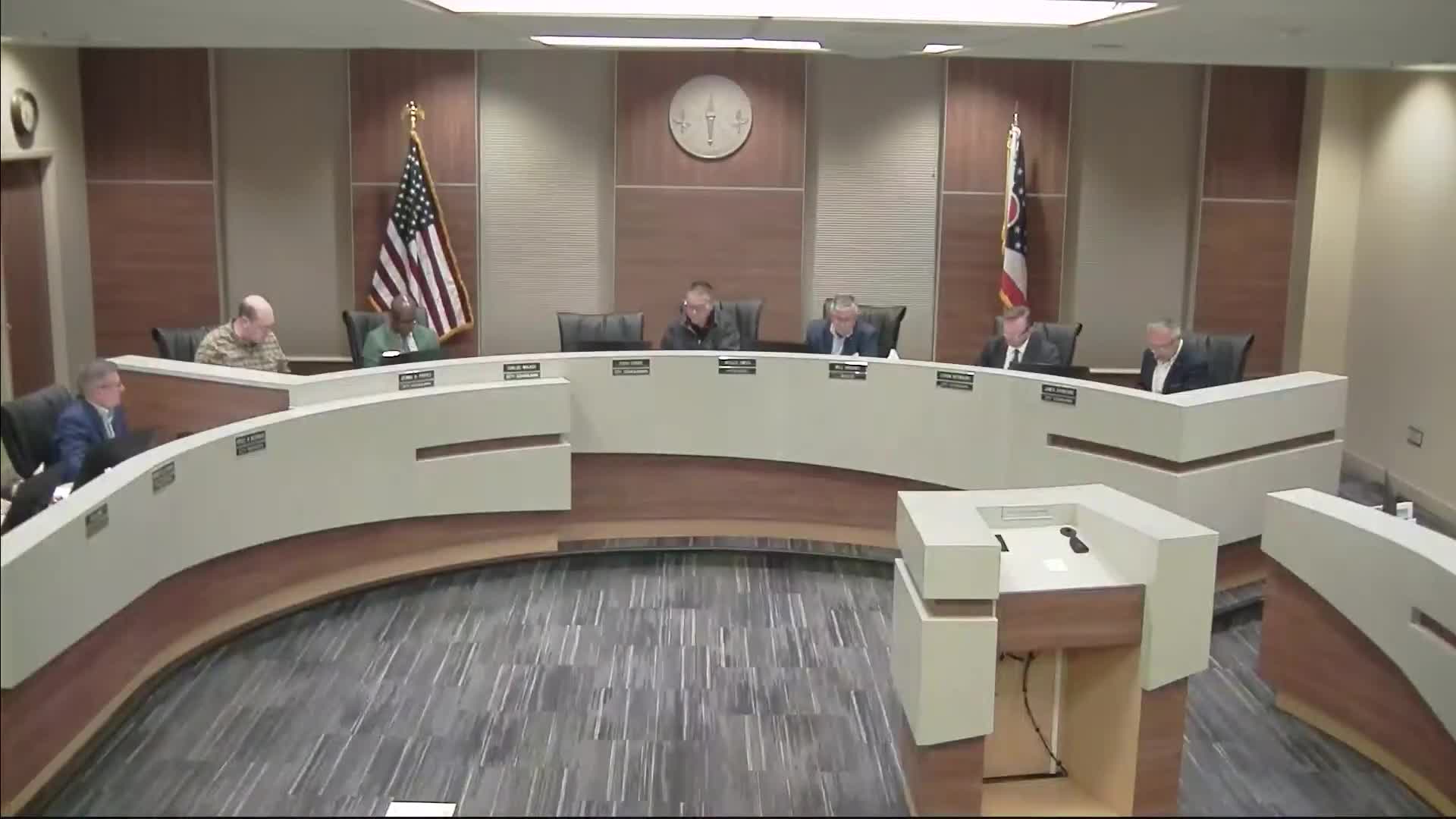
Summary
City staff introduced ordinances to raise the base water rate 15% (effective March 1, 2026) to fund major underground work and to increase building permit/inspection fees about 6%, plus a proposal to adopt an annual COLA for building fees beginning FY2027; staff cited lead replacement mandates and King Street project costs (~$2.4M) as drivers.
City staff briefed Xenia City Council on Nov. 13 about proposed changes to the city fee schedule and building fees that would support near‑term and long‑term infrastructure work.
Mister Duke said the primary change in Ordinance 2025‑31 is a recommended increase in the base water rate — described in discussion as a 15% increase — that would take effect March 1, 2026. “For the water, the water increase is 15,” Duke said; staff added that for a minimal residential user the change would be about $3 per month on average. Staff said the increase is intended to fund major projects already scheduled, including King Street improvements and the Fairground Road water‑main extension.
Duke and Merriman explained the King Street project is a significant undertaking with an approximate total project cost of $2.4 million, of which roughly $2 million is attributed to underground infrastructure replacement. Staff further broke down components by citing about $1.4 million for replacing the water line and roughly $600,000 for stormwater; those figures were presented as project‑level estimates.
Officials also proposed modest increases to building permit and inspection fees (roughly 6%) to reflect rising costs and to offset administrative overhead for NIC, the city’s inspection partner. Council members questioned why a fee increase was required if the program is self‑supporting; staff responded that the fee change helps NIC, which has not raised rates in three years, cover wage and overhead increases and that the city’s program is not subsidized by the general fund.
Separately, Ordinance 2025‑32 would add an annual cost‑of‑living adjustment for building fees beginning in fiscal year 2027 to align with the COLA mechanism already adopted for utilities. Staff said federal and state rules requiring lead‑service‑line replacement will create substantial long‑term costs, including potential private‑property work, reinforcing the need to secure durable funding.
Both ordinances were introduced for council consideration; no final votes were taken. Staff said additional detail, fee schedules and an implementation timeline are attached to the agenda and will return for future council action.