
Alma School District board approves plan to pursue second‑lien financing for state partnership facility projects
Get AI-powered insights, summaries, and transcripts
Subscribe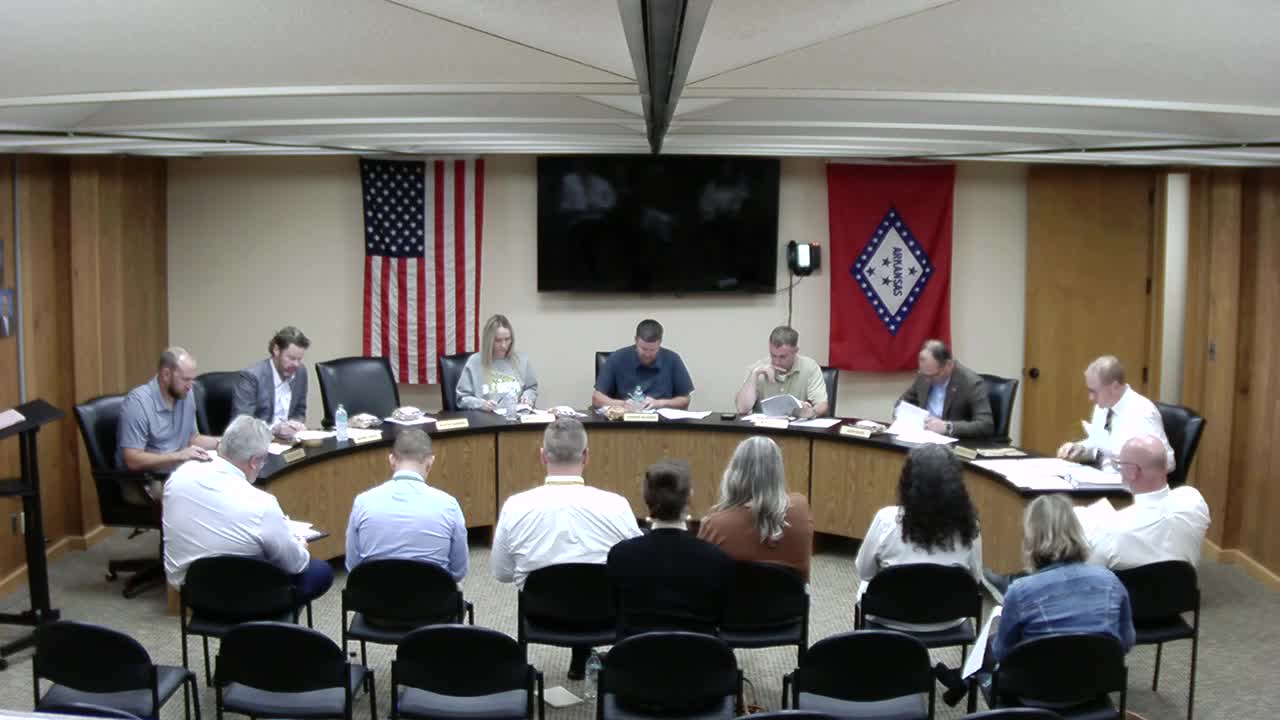
Summary
The board voted to move forward with a financing plan that would let the district pay its 25% share on state partnership "warm, safe, and dry" projects. Staff estimated $7.4 million in qualified costs; the district's share was estimated at about $1.8 million and members discussed issuing up to $4 million.
The Alma School District board voted to authorize staff to pursue second‑lien bond financing and related approvals to participate in the state facilities partnership program for prioritized "warm, safe, and dry" projects.
District staff said the state program reimburses roughly 75% of approved, qualified costs and the district must provide the remaining 25%. Staff presented a preliminary qualified cost estimate of about $7,400,000 and said the district share would be about $1,800,000. In discussion, staff explained the program is reimbursement‑based: contractors are paid and the district files pay requests to the state, which typically reimburses within seven to ten days after submission.
The board discussed the scale and cadence of borrowing. Staff described options including drawing on the district line of credit for short‑term cash flow and issuing a second‑lien bond to fund the district share. Staff noted districts may submit projects in two annual cycles (‘‘year 1’’ and ‘‘year 2’’) and that year‑2 lists historically have a stronger chance of being funded. Members asked about timing, callable features and potential refinancing; staff said bonds are typically callable after five years and refinancing may be feasible then.
Board members raised tradeoffs: one said a smaller $1.8 million issue covers the state match while others favored a larger issuance (discussed figures included $2 million and a $4 million scenario) to incorporate additional renovation items identified during facilities walk‑throughs, including roof and sewer work and selective improvements to a bank‑building acquisition. Concerns included long‑term debt service and the district’s ability to take on repeated second‑lien issues; staff emphasized the district’s recent history of budget under‑runs and available building‑fund carryover.
After discussion, a board member moved to proceed with the paperwork and approval necessary to pursue the state facilities partnership program financing; the motion was seconded and the board approved it by voice vote.
What happens next: staff will complete the second‑lien bond documentation, coordinate required publications and notices, and follow the state board timeline for loan/bond approvals so that funds—if approved—would be available in spring for project start‑up. Staff also said engineers will conduct site walks to confirm the sections of roof, sewer and other systems that qualify for reimbursement before final bid documents are developed.